Situation Summary
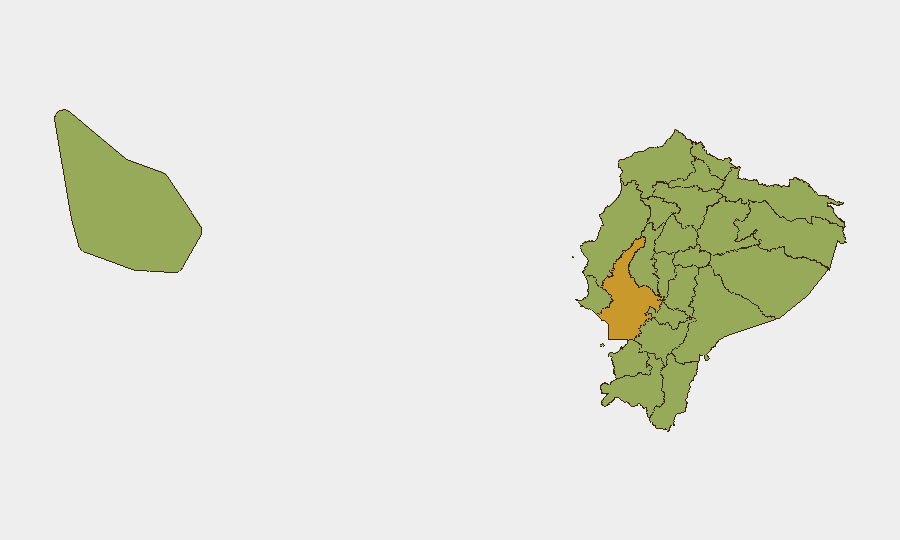
Ecuador remains at composite threat rank #33 globally (score 61), with criminal violence and gang conflict as primary drivers across 43 tracked events. Guayas Province—home to the port of Guayaquil and major economic infrastructure—dominates the risk profile at 72.4, reflecting sustained turf competition among trafficking organizations and prison-linked criminal networks. Government response has intensified, including coordinated raids, university security deployments, and judicial/administrative purges, though operational coherence and sustainability remain unclear.
Key Developments
Limited new verified incidents (26–27 July). Open-source reporting from the last 24–48 hours shows minimal corroborated incident data. The following developments from late July remain operationally relevant:
- University security plan (22 July, nationwide). Authorities launched coordinated security operations across 37 institutions in eight provinces in response to extortion, intimidation, and violent crime targeting students. Coordination involves Interior, Education, and National Police.
- Anti-terrorism raids (22 July, Guayaquil & Yaguachi, Guayas). Interior Ministry led 14 coordinated police operations resulting in four arrests linked to the September 2025 La Roca prison car-bomb attack. Operations ongoing against groups using vehicle-borne explosives in multiple provinces.
- Illegal mining operation (late July, Limón Indanza, Morona Santiago). Ecuadorian Army conducted military operation against criminal groups engaged in illicit extraction and associated security threats.
- Health sector corruption investigation (late July, nationwide). Interior and Health ministries deployed intelligence agents into public health network; reporting indicates uncertainty whether this is targeted anti-corruption or broader political consolidation. Potential operational disruption to healthcare services.
- Prosecutor's office raid (late July, location unspecified). Authorities raided prosecutor's office following complaint by Interior Minister regarding lenient handling of an alleged "Chone Killers" gang leader. Signals escalating government pressure on judiciary perceived as lenient toward organized crime.
Note: Cross-confirmed incidents with specific 26–27 July dates remain sparse in available open sources, reflecting indexing lag and limited real-time reporting from Ecuador.
Highest-Risk Areas
Guayas Province (72.4) dominates Ecuador's risk landscape due to sustained criminal competition around Guayaquil's port and prison-linked trafficking networks; this single province accounts for a material portion of national threat activity. The remaining eleven tracked provinces cluster significantly lower (42.4–46.5), suggesting threat concentration rather than diffusion. Cotopaxi (46.5) and Manabí (43) show secondary elevation, likely tied to trafficking corridors and gang turf disputes. Border regions—Sucumbíos, Carchi, Esmeraldas—and Galápagos each register at 42.4, reflecting drug-trafficking routes and port-of-entry vulnerabilities.
How GeoBit Would Assist
Security teams managing personnel or assets in Ecuador should employ AOI Monitoring & Early Warning on Guayaquil, major university campuses, and provincial borders to detect shifts in gang activity or government operations before operational impact. OSINT Fusion & Corroboration (X/Twitter, Telegram, local media, and radio SIGINT) closes the real-time reporting gap evident in this brief, providing 24–48 hour lead time on incidents affecting specific worksites or transit routes. Network & Actor Analysis maps trafficking organization structure and government faction alignments to distinguish operational risk from political theater in ongoing judicial/administrative actions.
7-Day Outlook
Expect continued government raids and arrests targeting prison-linked networks, particularly in Guayas, with secondary activity in trafficking corridors. University security measures will remain in effect; campuses should be treated as elevated-presence/constrained-access environments. No imminent system-wide collapse is indicated, but operational friction between security forces, judiciary, and criminal networks will likely produce volatile, localized incidents without strategic warning.
Highest-Risk Areas — Ranked
| # | State / Region | Risk |
|---|---|---|
| 1 | Guayas Province | 72.4 |
| 2 | Cotopaxi Province | 46.5 |
| 3 | Manabí Province | 43 |
| 4 | Sucumbíos Province | 42.4 |
| 5 | Orellana Province | 42.4 |
| 6 | Galápagos | 42.4 |
| 7 | Esmeraldas Province | 42.4 |
| 8 | Carchi Province | 42.4 |
| 9 | Imbabura Province | 42.4 |
| 10 | Santo Domingo de los Tsáchilas Province | 42.4 |
| 11 | Pichincha Province | 42.4 |
| 12 | Napo Province | 42.4 |
Sources
Previous Daily Briefs
A new Ecuador brief is written every day — each with its own risk map and downloadable CSV. Here's the last week; use the calendar to go further back.
📅 Browse every day by calendar →
Highlighted days have a brief. Tap a day for that day's map & analysis, or “csv” for that day's dataset ($5).
Atlas — our AI intelligence desk — emails them this snapshot personally. Nothing else, no list.