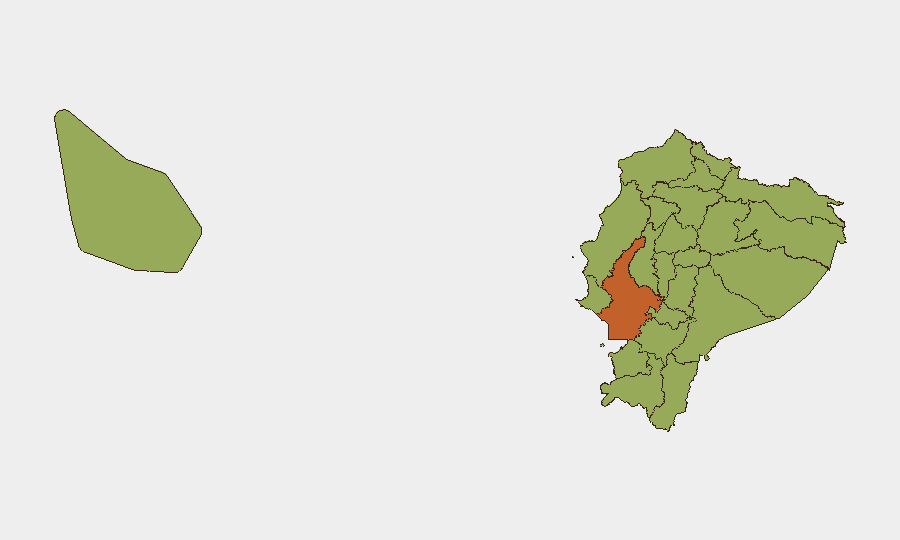
Situation Summary
Ecuador remains the 32nd-highest-threat country globally, with drug-trafficking organizations and associated gang violence driving a composite threat score of 64. The last 24–48 hours have seen a marked escalation in violent crime across the capital and coast, including multiple gang-related homicides, armed robberies with fatalities, and large-scale arrests targeting organized-crime financiers. The security picture is deteriorating in concentrated urban zones, particularly Quito and Guayaquil, where property crime, extortion, and inter-gang violence are converging.
Key Developments
- La Troncal, Cañar Province (July 28) – Police discovered seven charred bodies in a rural house with gang-related messages attributing the killings to *Los Lobos*, indicating active turf warfare in an already emergency-declared zone.
- Ponce Enríquez, Azuay Province (night of July 27–28) – Police arrested Elías Baldor, former mayor (2019–2023), identified by the Interior Ministry as the primary financier of *Los Lobos* criminal organization, along with five associates. The overnight operation was publicly presented as a high-level blow to gang infrastructure in southern Ecuador.
- Southern Quito (late July) – National Police arrested two suspects ("Pepe" and "Mono") linked to *Los Lobos* extortion and robbery operations, reflecting ongoing gang presence in the capital.
- La Ecuatoriana, South Quito (late July) – Armed criminals on motorcycles conducted eight consecutive robberies in a single afternoon, killing one person and injuring two others, demonstrating organized rapid-strike robbery cells.
- North Quito, Condominium Parking Area (late July) – Armed suspects engaged police in gunfire during an attempted vehicle dismantling operation, indicating organized vehicle-theft networks with weapons.
- California Alta, North Quito (ongoing, late July) – Residents report more than 30 vehicles dismantled over recent weeks; one young woman was brutally assaulted in the same sector, signaling escalating violence alongside property crime.
- Northern Guayaquil, Upscale Restaurant (July 24, investigation ongoing) – Two armed assailants fatally shot a 50-year-old private security guard during an armed robbery; no arrests announced as of late July.
- La Vicentina, Quito (late July) – Police detained two individuals for armed robbery targeting students, reflecting heightened assault risk against younger commuters.
Highest-Risk Areas
Guayas Province (risk 74.7)—home to Guayaquil and its port infrastructure—drives the national threat composite by far, with armed robbery, gang violence, and organized crime significantly outpacing other regions. Loja, Sucumbíos, Orellana, Manabí, Esmeraldas, Carchi, and Imbabura Provinces cluster at 44.7, reflecting endemic drug-trafficking corridor activity and border instability; Pichincha Province (Quito) sits at 44.7 despite being the capital, understating recent violent escalation in the city. The concentration of lethal gang activity in the southern highlands (Cañar, Azuay) and capital violence signals that threat is no longer confined to border and coastal regions.
How GeoBit Would Assist
Security teams would deploy AOI Monitoring & Early Warning on high-risk neighborhoods (California Alta, La Ecuatoriana, La Vicentina) and Guayaquil's northern commercial zones to detect emerging robbery and carjacking hotspots. Network & Actor Analysis would map *Los Lobos* and competing gang structures, supply chains, and financier networks following the Baldor arrest, enabling threat-actor trajectory forecasting. Risk & Threat Assessment combined with Intel Sweep (X/Telegram OSINT, local media fusion) provides real-time event correlation and 24–72-hour early warning of gang violence escalations or police interventions.
7-Day Outlook
Gang-violence intensity is likely to remain elevated or increase as *Los Lobos* reacts to the Baldor arrest and police operations in Cañar and Quito. Armed robberies in capital neighborhoods will persist given organized cell activity and low arrest rates. Corporate and expatriate staff in Quito, Guayaquil, and southern provinces should expect heightened risk from street crime, vehicle theft, and opportunistic armed assault through early August.
Highest-Risk Areas — Ranked
| # | State / Region | Risk |
|---|---|---|
| 1 | Guayas Province | 74.7 |
| 2 | Loja Province | 45.5 |
| 3 | Sucumbíos Province | 44.7 |
| 4 | Orellana Province | 44.7 |
| 5 | Manabí Province | 44.7 |
| 6 | Galápagos | 44.7 |
| 7 | Esmeraldas Province | 44.7 |
| 8 | Carchi Province | 44.7 |
| 9 | Imbabura Province | 44.7 |
| 10 | Santo Domingo de los Tsáchilas Province | 44.7 |
| 11 | Pichincha Province | 44.7 |
| 12 | Napo Province | 44.7 |
Sources
Previous Daily Briefs
A new Ecuador brief is written every day — each with its own risk map and downloadable CSV. Here's the last week; use the calendar to go further back.
📅 Browse every day by calendar →
Highlighted days have a brief. Tap a day for that day's map & analysis, or “csv” for that day's dataset ($5).
Atlas — our AI intelligence desk — emails them this snapshot personally. Nothing else, no list.