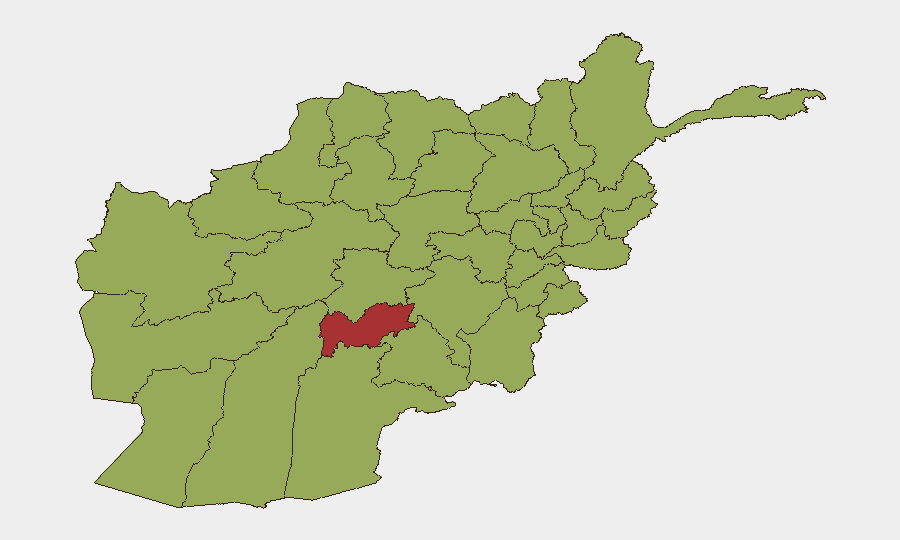
Situation Summary
Afghanistan's security environment remains fragmented and volatile, with Taliban consolidation efforts competing against sporadic armed opposition activity, targeted killings, and persistent criminal violence. The past 48 hours have seen a rare district-level seizure by anti-Taliban forces in Badakhshan, concurrent detentions of political opponents, and targeted killings of tribal and former-government figures across multiple provinces. At composite threat score 70 (#31 globally), the country presents acute localized risks rather than nationwide destabilization, but trajectories in the northeast and central regions warrant close monitoring.
Key Developments
- Badakhshan, Yaftali Sufla district (18–19 July): Armed opposition forces briefly seized control of the district from Taliban authorities before withdrawing—the first reported district-level takeover by anti-Taliban actors since the Taliban's 2021 return to power, signaling potential capacity for coordinated armed resistance in the northeast.
- Ghor province (18–19 July): Taliban intelligence detained 13 young men over two days on alleged links to "Afghanistan Green Trend," a political movement led by former Vice President Amrullah Saleh, indicating continued surveillance and suppression of organized political opposition.
- Qarabagh district, Ghazni province (18–19 July): A tribal elder was killed in a targeted attack; sources suggest political or personal motivation, consistent with recent pattern of selective killings of community leaders.
- Daikundi province (18–19 July): A former Afghan government intelligence officer was killed in a separate targeted attack, indicating ongoing elimination of pre-2021 state security personnel.
- Paktia province, Dand-i-Patan district (18–19 July): Taliban forces seized a weapons cache smuggled from Pakistan, confirming cross-border arms trafficking and ongoing supply of anti-Taliban groups via southeastern frontier routes.
- Badakhshan, northeastern border areas (18–19 July): Defense Minister Mawlawi Mohammad Yaqoob Mujahid visited multiple strategic locations accompanied by military units, reflecting Taliban consolidation and military repositioning in the northeast—likely a response to the Yaftali Sufla seizure.
- Herat, Nangarhar provinces (18–19 July): Taliban authorities reported arrests for murder-theft and significant currency theft, indicating routine criminal activity and law-enforcement response despite broader security pressures.
Highest-Risk Areas
Uruzgan Province dominates the risk hierarchy at 79.1, driven by unresolved armed-opposition presence and Taliban control consolidation. Kabul (54.3) remains elevated due to political detention activity and urban crime; Balkh (52.8) reflects northern instability. The cluster of provinces at 49.1 risk—Zabul, Kandahar, Ghazni, Paktika, Farah, Nimruz, Helmand, Jowzjan, and Badghis—comprises the traditional Taliban heartland and key opposition strongholds, where contested control, cross-border trafficking, and targeted violence persist. The Yaftali Sufla seizure and Badakhshan Defense Ministry visit suggest the northeast is emerging as a secondary flashpoint.
How GeoBit Would Assist
Corporate teams with personnel or assets in Afghanistan should leverage AOI Monitoring & Early Warning to track district-level security incidents in high-risk provinces (Uruzgan, Badakhshan, Ghazni, Paktia) and receive real-time alerts on armed seizures, detentions, or killings. Multi-language OSINT and Telegram/X intelligence feeds enable continuous monitoring of opposition movement announcements and Taliban response operations. Conflict & Military force-structure tracking and GIS & spatial analysis allow pinpointing of armed-group activity corridors and safer routing alternatives for personnel movement.
7-Day Outlook
The Yaftali Sufla seizure suggests anti-Taliban armed groups retain tactical capacity to seize and hold terrain, likely prompting intensified Taliban military operations in the northeast over the next week. Expect continued targeted killings of former-government figures and political opposition members as Taliban consolidates control. Risk to commercial and expatriate presence remains highest in Uruzgan, Kabul, and the southeastern border belt.
Highest-Risk Areas — Ranked
| # | State / Region | Risk |
|---|---|---|
| 1 | Uruzgan Province | 79.1 |
| 2 | Kabul Province | 54.3 |
| 3 | Balkh Province | 52.8 |
| 4 | Zabul Province | 49.1 |
| 5 | Kandahar Province | 49.1 |
| 6 | Ghazni Province | 49.1 |
| 7 | Paktika Province | 49.1 |
| 8 | Farah Province | 49.1 |
| 9 | Nimruz Province | 49.1 |
| 10 | Helmand Province | 49.1 |
| 11 | Jowzjan Province | 49.1 |
| 12 | Badghis Province | 49.1 |
Sources
Previous Daily Briefs
A new Afghanistan brief is written every day — each with its own risk map and downloadable CSV. Here's the last week; use the calendar to go further back.
📅 Browse every day by calendar →
Highlighted days have a brief. Tap a day for that day's map & analysis, or “csv” for that day's dataset ($5).
Atlas — our AI intelligence desk — emails them this snapshot personally. Nothing else, no list.