Situation Summary
South Korea remains in a stable, low-threat security environment with no confirmed major incidents—shootings, bombings, riots, or political violence—in the last 24–48 hours. The country's composite threat score of 4 ranks it #158 globally, reflecting routine legal and political activity rather than acute security risk. Current hazards are predominantly environmental: a national heatwave with emergency-level warnings in North Gyeongsang Province and ongoing warnings across multiple regions, including Seoul, elevating health and outdoor-activity risk but not security instability.
Key Developments
- Gyeongsan & Pohang, North Gyeongsang Province – 17 July 2026. Korea Meteorological Administration issued its first-ever Emergency Heatwave Warning for both cities, with perceived temperatures reaching 38–39°C. Advisories recommend halting outdoor work and remaining in cool areas; no security incidents reported.
- Multiple regions including Seoul – Ongoing heatwave warnings (mid-July 2026). Much of South Korea remains under standard heatwave warnings (perceived temperature ≥35°C for two consecutive days), posing elevated health and transport-comfort risk nationwide.
- Olympic Park Handball Gymnasium, Songpa-gu, Seoul – ~1 day ago. Seoul Songpa Police applied for arrest warrants for individuals accused of obstructing a vote-counting center during June election-related protests. The blockade itself occurred in June; the warrant action reflects ongoing politically charged legal proceedings without current mass unrest or disruption.
- National level – No acute security or civil-unrest incidents. Multi-source monitoring confirms absence of verified protests, riots, terrorist activity, major crime waves, or infrastructure failures in the prior 24–48 hours.
Highest-Risk Areas
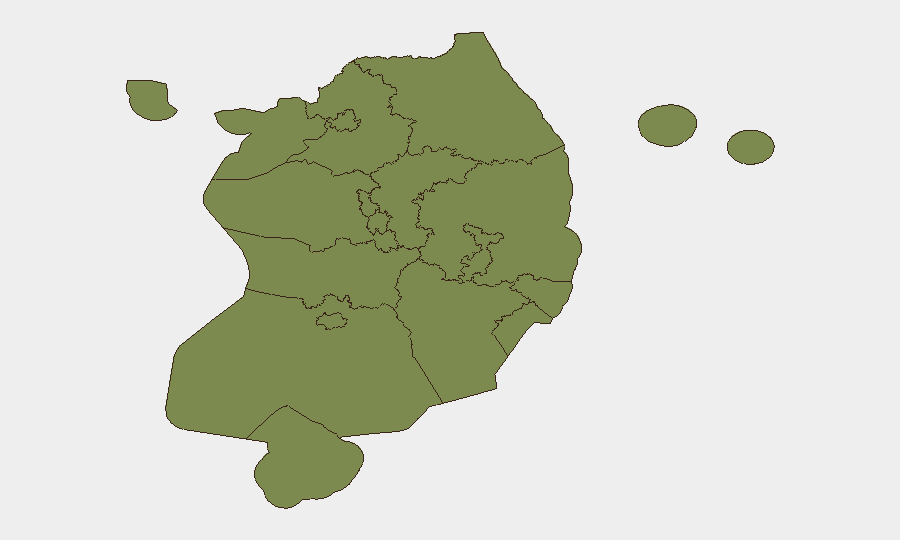
Seoul dominates South Korea's sub-national risk profile with a composite score of 31.8—substantially higher than all other regions—driven by population concentration, political activity, and election-related legal proceedings. North Chungcheong (17.4) and Gwangju (8.5) follow distantly, while all remaining provinces score below 7. Seoul's elevation reflects the capital's role as the seat of government, courts, national assembly, and major corporations; recent event signals cluster there (disapproval statements, small-arms combat signals, and police/population statements on 15–16 July). The absence of confirmed violence or unrest indicates these signals reflect legal and political speech rather than acute conflict. Heatwave risk is most acute in North Gyeongsang (Gyeongsan, Pohang) but carries no security dimension.
How GeoBit Would Assist
Intel Sweep and multi-language OSINT fusion enable continuous monitoring of Korean-language media, social platforms (X, Telegram), and government statements to detect early shifts in political sentiment or protest planning. AOI Monitoring with alerting on Seoul, Gwangju, and North Chungcheong would flag emerging civil unrest, roadblocks, or gatherings before they escalate. Election monitoring and entity/actor network analysis support tracking of politically charged legal developments—such as warrant applications and court rulings—that may forecast wider instability, while sentiment & temporal analysis distinguishes routine political speech from genuine mobilization signals.
7-Day Outlook
The heatwave is expected to persist through mid-to-late July, maintaining elevated health risk in vulnerable populations and outdoor-dependent sectors but posing no security escalation. Political and legal activity will likely remain routine; no indicators suggest impending protests, labor unrest, or civil conflict. Security teams should prioritize occupational health monitoring in high-heat zones (especially North Gyeongsang and Seoul) and maintain standard vigilance on political developments, with no requirement for heightened incident response posture.
Highest-Risk Areas — Ranked
| # | State / Region | Risk |
|---|---|---|
| 1 | Seoul | 31.8 |
| 2 | North Chungcheong | 17.4 |
| 3 | Gwangju | 8.5 |
| 4 | South Jeolla | 6.8 |
| 5 | Jeju | 6 |
| 6 | Gangwon State | 3.5 |
| 7 | South Chungcheong | 3 |
| 8 | Gyeonggi | 2.4 |
| 9 | South Gyeongsang | 2.2 |
| 10 | Incheon | 2 |
| 11 | North Gyeongsang | 2 |
| 12 | Busan | 2 |
Sources
Previous Daily Briefs
A new South Korea brief is written every day — each with its own risk map and downloadable CSV. Here's the last week; use the calendar to go further back.
📅 Browse every day by calendar →
Highlighted days have a brief. Tap a day for that day's map & analysis, or “csv” for that day's dataset ($5).
Atlas — our AI intelligence desk — emails them this snapshot personally. Nothing else, no list.