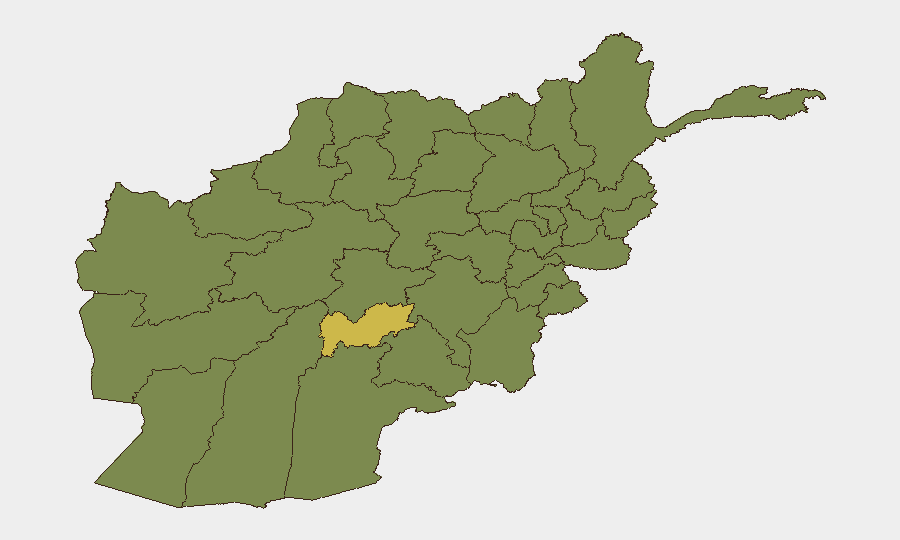
Situation Summary
Afghanistan's security environment remains volatile across multiple fronts, with the Taliban facing organized armed resistance in the northeast and widespread suppression of political opposition amid suspected cross-border arms trafficking. Composite threat score of 67 (rank #33 globally) reflects sustained low-intensity conflict, targeted killings, and localized insurgent activity rather than state-level collapse. The emergence of the anti-Taliban group Sepahiyan-e Mihan and the Taliban's rapid military response indicate the northeast—particularly Badakhshan—is becoming a focal point for destabilization. Near-term trajectory suggests continued friction between Taliban consolidation efforts and fragmented but active opposition networks.
Key Developments
- Yaftali Sufla district, Badakhshan – overnight 18–19 July 2026
The newly formed armed opposition group Sepahiyan-e Mihan briefly seized the district headquarters, disarmed Taliban fighters, and announced its existence before withdrawing—the first district-level anti-Taliban takeover since 2021 and a significant symbolic breach of Taliban control in the northeast.
- Khwahan district, Badakhshan – 19 July 2026
Unidentified gunmen conducted a rocket and small-arms attack at approximately 02:00 on a Taliban border battalion near the Tajikistan frontier; Taliban subsequently detained multiple local residents in connection with the incident.
- Northeastern border areas, Badakhshan – 18–19 July 2026
Taliban Defence Minister Mawlawi Mohammad Yaqoob Mujahid conducted field visits to multiple strategic border locations with accompanying military units, signaling force consolidation and repositioning in response to unrest.
- Dand-i-Patan district, Paktia province – 18–19 July 2026
Taliban security forces seized a weapons cache smuggled from Pakistan, confirming active cross-border arms trafficking routes being exploited by anti-Taliban elements and criminal networks along the southeastern frontier.
- Ghor province – 18–19 July 2026
Taliban intelligence detained 13 young men over two days on allegations of links to the "Afghanistan Green Trend" opposition movement led by former Vice President Amrullah Saleh, highlighting ongoing suppression of organized political opposition.
- Qarabagh district, Ghazni province – 18–19 July 2026
A tribal elder was killed in a targeted attack, with local reporting suggesting political or personal motives; the incident reflects a broader pattern of selective killings of community leaders in the province.
Highest-Risk Areas
Uruzgan Province dominates the sub-national ranking (66.4), significantly outpacing Kabul (39.2) and clustering of southern and eastern provinces at 36.4. This disparity reflects concentrated anti-Taliban activity, tribal instability, and cross-border smuggling networks in Uruzgan; Badakhshan's emergence as the site of organized armed resistance (Sepahiyan-e Mihan, Khwahan attack) indicates the northeast poses mounting near-term risk despite not yet ranking in the top tier. Kabul's elevated score reflects political targeting, assassination attempts, and government-security force instability. The broad parity among southern provinces (Kandahar, Helmand, Zabul, Paktika, Farah, Nimruz) suggests distributed insurgent and criminal activity across Taliban-controlled territory.
How GeoBit Would Assist
Security teams should employ AOI Monitoring & Early Warning with persistent watch on Badakhshan, Uruzgan, and Paktia to detect opposition activity and cross-border arms movement before escalation. Network & Actor Analysis combined with OSINT fusion (X/Telegram feeds, radio SIGINT, multi-language searches) would track Sepahiyan-e Mihan and other opposition groups, enabling early identification of recruitment, safe-house locations, and attack planning. GIS & Spatial Analysis layered with satellite imagery can identify weapons caches, Taliban force repositioning, and border-crossing hotspots to support route-planning and personnel movement decisions.
7-Day Outlook
The Taliban's rapid military response to Sepahiyan-e Mihan and intensified border operations suggest imminent force consolidation in Badakhshan over the next 7 days, with likely increased detentions and counter-insurgency sweeps. Cross-border arms flows are expected to persist given Paktia intercepts; political opposition suppression will continue. Risk of escalation remains moderate unless Sepahiyan-e Mihan or similar groups conduct additional district-level operations.
Highest-Risk Areas — Ranked
| # | State / Region | Risk |
|---|---|---|
| 1 | Uruzgan Province | 66.4 |
| 2 | Kabul Province | 39.2 |
| 3 | Zabul Province | 36.4 |
| 4 | Kandahar Province | 36.4 |
| 5 | Ghazni Province | 36.4 |
| 6 | Paktika Province | 36.4 |
| 7 | Farah Province | 36.4 |
| 8 | Nimruz Province | 36.4 |
| 9 | Helmand Province | 36.4 |
| 10 | Jowzjan Province | 36.4 |
| 11 | Balkh Province | 36.4 |
| 12 | Badghis Province | 36.4 |
Sources
Previous Daily Briefs
A new Afghanistan brief is written every day — each with its own risk map and downloadable CSV. Here's the last week; use the calendar to go further back.
📅 Browse every day by calendar →
Highlighted days have a brief. Tap a day for that day's map & analysis, or “csv” for that day's dataset ($5).
Atlas — our AI intelligence desk — emails them this snapshot personally. Nothing else, no list.