Situation Summary
Ecuador faces a sustained surge in organized violence centered on major urban centers and border zones, with the composite national threat score of 58 placing it at #33 globally. Gang territorial conflict, particularly involving Los Lobos and rival criminal networks, has driven multiple homicides and coordinated law-enforcement operations across Quito, Guayaquil, and now secondary cities including Cuenca. A nationwide state of exception remains in effect across at least 10 provinces, with military and police deployments intensifying checkpoints, raids, and movement restrictions. The security picture shows no sign of de-escalation over the past 48 hours.
Key Developments
- Quito (Llano Chico–Simón Bolívar Avenue), morning July 29 – A decapitated body was found hanging from a bridge with the head placed nearby, assessed as a gang-style execution and likely Los Lobos retaliation; marked as unprecedented brutality in the capital's recent violence cycle.
- Quito (La Michelena sector), July 29 – A Colombian national was shot dead inside a commercial establishment as part of multiple homicides recorded within 12 hours, illustrating sustained urban homicide spikes tied to organized crime.
- Quito (La Ferroviaria and Carcelén neighborhoods), July 29 – Police Operativo ATLAS-109-DMQ dismantled a Los Lobos distribution cell, detaining seven suspects (three minors with gang tattoos) and seizing rifles and firearms.
- Guayaquil, Durán, and Quito (multi-city), night of July 28–early July 29 – Five separate armed homicides recorded over approximately 12 hours across these major centers, confirming sustained criminal violence intensity.
- Cuenca (Azuay Province), reported July 31 – Cuenca was formally included in the nationwide state of exception for the first time, reflecting expansion of emergency measures beyond traditional high-risk zones; heightened checkpoints and operations now in effect.
- El Oro Province (Judiciary Council offices), late July – Criminal actors attacked judicial facilities, accompanying the assault with demands to release a detained individual (alias "Jocker"), demonstrating direct institutional intimidation by organized crime.
- Huaquillas (El Oro, Peru border), July 28–29 – Police killed one suspected criminal and arrested another during a bank robbery attempt, consistent with chronic violence at international border crossings and U.S. official travel restrictions to the area.
- Nationwide provinces (Guayas, Pichincha, Esmeraldas, Sucumbíos, Manabí, Santo Domingo, and others), ongoing as of July 31 – State of exception maintained with intensified military/police deployments, ID checkpoints, and gathering restrictions across multiple jurisdictions.
Highest-Risk Areas
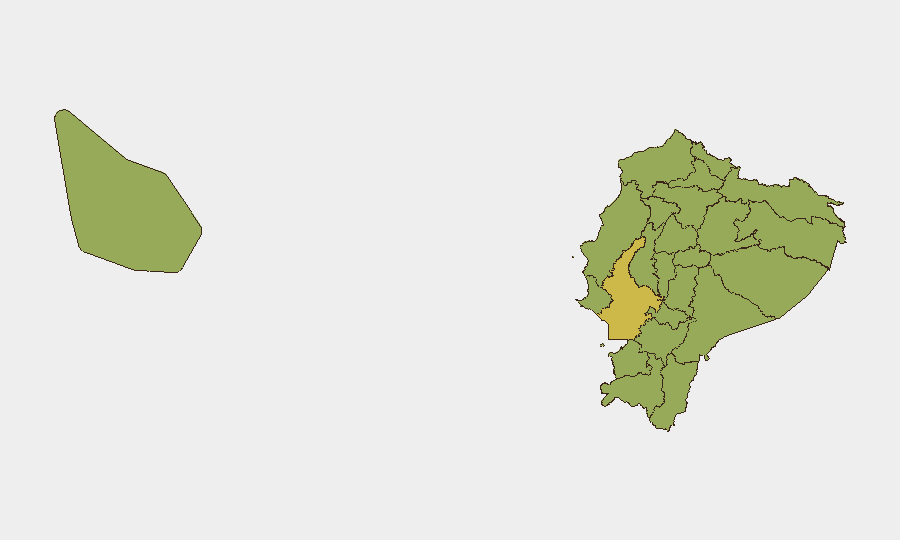
Guayas Province (risk 70.6) remains the epicenter, driven by gang turf wars in Guayaquil and spillover into Durán. Loja, Sucumbíos, Orellana, and northern border zones (Esmeraldas, Carchi) cluster at 40.6, reflecting trafficking corridors and Colombian cartel presence. The rapid formal inclusion of Cuenca in emergency measures signals that organized violence is geographically expanding beyond traditional strongholds. Pichincha (Quito) at 40.6 reflects intense recent operational activity but understates the capital's acute short-term homicide and gang retaliation risk demonstrated in the past 72 hours.
How GeoBit Would Assist
Security teams should deploy AOI Monitoring & Early Warning on Guayaquil, Quito, Cuenca, and El Oro to track checkpoints, operations, and incident clusters in real time. Network & Actor Analysis combined with OSINT (X/Telegram/YouTube intelligence) enables tracking of Los Lobos and rival gang communications, territorial claims, and retaliation signals. Routing & Network Analysis provides alternative mobility planning around active security cordons and curfew zones, and Risk & Threat Assessment updates can flag institutional intimidation campaigns targeting judges or officials.
7-Day Outlook
Homicide rates and gang retaliation are expected to remain elevated through early August as law enforcement intensifies operations against Los Lobos cells. The expansion of the state of exception to Cuenca and other mid-sized cities suggests authorities expect violence to spread or consolidate in new urban centers. Civil unrest, checkpoint delays, and localized movement restrictions should be anticipated in all provinces under emergency measures.
Highest-Risk Areas — Ranked
| # | State / Region | Risk |
|---|---|---|
| 1 | Guayas Province | 70.6 |
| 2 | Loja Province | 41.1 |
| 3 | Sucumbíos Province | 40.6 |
| 4 | Orellana Province | 40.6 |
| 5 | Manabí Province | 40.6 |
| 6 | Galápagos | 40.6 |
| 7 | Esmeraldas Province | 40.6 |
| 8 | Carchi Province | 40.6 |
| 9 | Imbabura Province | 40.6 |
| 10 | Santo Domingo de los Tsáchilas Province | 40.6 |
| 11 | Pichincha Province | 40.6 |
| 12 | Napo Province | 40.6 |
Sources
Previous Daily Briefs
A new Ecuador brief is written every day — each with its own risk map and downloadable CSV. Here's the last week; use the calendar to go further back.
📅 Browse every day by calendar →
Highlighted days have a brief. Tap a day for that day's map & analysis, or “csv” for that day's dataset ($5).
Atlas — our AI intelligence desk — emails them this snapshot personally. Nothing else, no list.