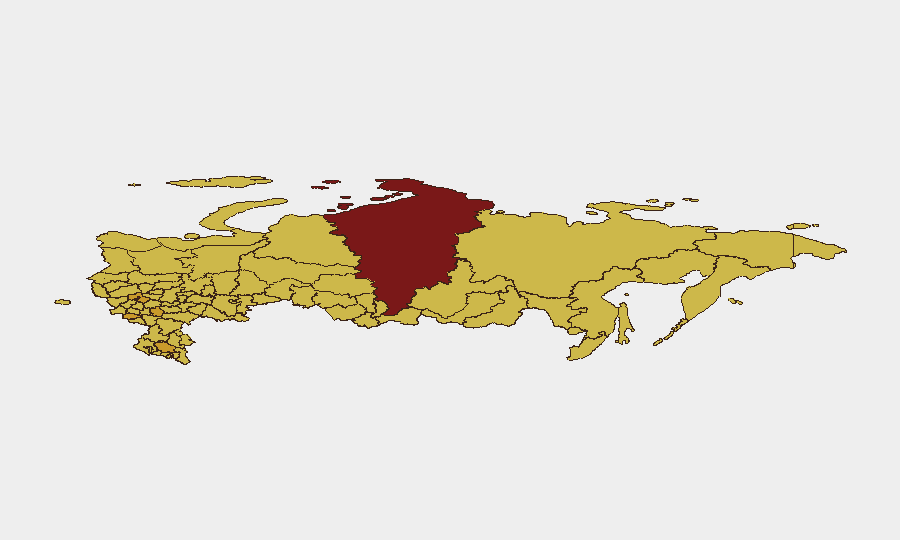
Situation Summary
Russia faces sustained high-threat conditions driven by active large-scale drone and missile warfare along the Ukraine border and deep strikes into Russian territory. The overnight 19–20 July mass Ukrainian drone attack—involving 370–400 UAVs targeting logistics, fuel, and industrial infrastructure across Moscow Region, Rostov Oblast, and Tula Oblast—has caused measurable casualties, infrastructure damage, and emerging domestic fuel-supply disruptions. Moscow and Krasnoyarsk Krai remain the highest-risk sub-national zones; escalation in strike tempo and geographic spread suggests further rounds of cross-border kinetic activity are probable in the near term.
Key Developments
- Moscow Region & Noginsk–Elektrostal (20 July, 0300–0600 UTC): Ukrainian drone strikes hit logistics and industrial facilities; at least 1 killed, 60+ injured across the wider region; fires reported at oil depots and warehousing hubs.
- Tambov Oblast – Wildberries logistics complex (20 July, day): Ukrainian drone strike ignited large fire at e-commerce and petroleum storage facility; 7 confirmed dead, 25+ wounded; widespread video documentation on Russian and Ukrainian channels.
- Moscow Region – mass overnight attack (19–20 July, 2200–0400 UTC): Russian authorities reported approximately 370–400 Ukrainian UAVs launched; hundreds intercepted or impacted; large black-smoke plumes over oil depots; at least 10 total casualties confirmed.
- Rostov Oblast – Taganrog and surrounding districts (19–20 July, night): ~30 Ukrainian drones engaged by air defense; debris fall reported but no confirmed major casualties or infrastructure damage.
- Black Sea maritime & port infrastructure (19–20 July, last 24h): Ukrainian forces targeted up to 13 Russia-linked vessels; Russia conducted retaliatory strikes on Odesa and Chornomorsk port infrastructure; heightened risk to Russian maritime logistics.
- Fuel supply chain disruptions (19–20 July, nationwide): Multiple Russian regions reported fuel shortages, gas-station queue conflicts, and distribution delays; social-media reports of driver confrontations over limited supplies.
- St. Petersburg (21 July): Conventional military-force event signal recorded; details limited but consistent with broader pattern of strike activity near major population centers.
Highest-Risk Areas
Moscow (96.5) and Krasnoyarsk Krai (92.6) rank substantially above other regions, driven by their roles as critical logistics, energy-infrastructure, and administrative hubs. Moscow Oblast (72.6), Tambov Oblast (72.8), and Kursk Oblast (71.4) face elevated risk from proximity to active conflict zones and concentration of military-support infrastructure; the past 48 hours confirm that Ukrainian drone operations now routinely penetrate these areas. Dagestan and Caucasus-region oblasts (Stavropol, Kabardino-Balkaria, Krasnodar) register sustained 69–72 risk scores, reflecting simmering North Caucasus instability and militant activity independent of the Ukraine war.
How GeoBit Would Assist
Security teams with personnel or assets in Russia should use AOI Monitoring & Early Warning on critical facilities (fuel depots, ports, logistics hubs) in Moscow Region, Tambov, and Rostov Oblast to detect drone activity and strike patterns in real time. Battle Mapping and Conflict event feeds provide granular tracking of attack locations, casualty and damage estimates, and strike tempo to inform evacuation or shelter-in-place decisions. Economic & Trade analysis combined with Supply Chain & Routing tools can model fuel-shortage cascades and identify alternative logistics corridors before disruptions strand personnel or cargo.
7-Day Outlook
Ukrainian drone operations show no signs of abatement; the scale and geographic spread of the 19–20 July attack suggest a sustained campaign against Russian logistics and energy infrastructure. Expect continued strikes on Moscow Region, Tambov, and Rostov Oblast over the next 7 days, with elevated risk of fuel-supply crises and secondary civil unrest in major cities. Casualty counts and infrastructure damage are likely to remain in the single-to-double-digit range per event; however, cumulative effects on domestic fuel availability pose indirect but rising duty-of-care risks for foreign personnel.
Highest-Risk Areas — Ranked
| # | State / Region | Risk |
|---|---|---|
| 1 | Moscow | 96.5 |
| 2 | Krasnoyarsk Krai | 92.6 |
| 3 | Tambov Oblast | 72.8 |
| 4 | Moscow Oblast | 72.6 |
| 5 | Stavropol Krai | 72 |
| 6 | Kursk Oblast | 71.4 |
| 7 | Dagestan | 70.6 |
| 8 | Krasnodar Krai | 70.5 |
| 9 | Kabardino-Balkaria | 69.8 |
| 10 | Saratov Oblast | 69.3 |
| 11 | Voronezh Oblast | 68.5 |
| 12 | Leningrad Oblast | 68.3 |
Sources
Previous Daily Briefs
A new Russia brief is written every day — each with its own risk map and downloadable CSV. Here's the last week; use the calendar to go further back.
📅 Browse every day by calendar →
Highlighted days have a brief. Tap a day for that day's map & analysis, or “csv” for that day's dataset ($5).
Atlas — our AI intelligence desk — emails them this snapshot personally. Nothing else, no list.