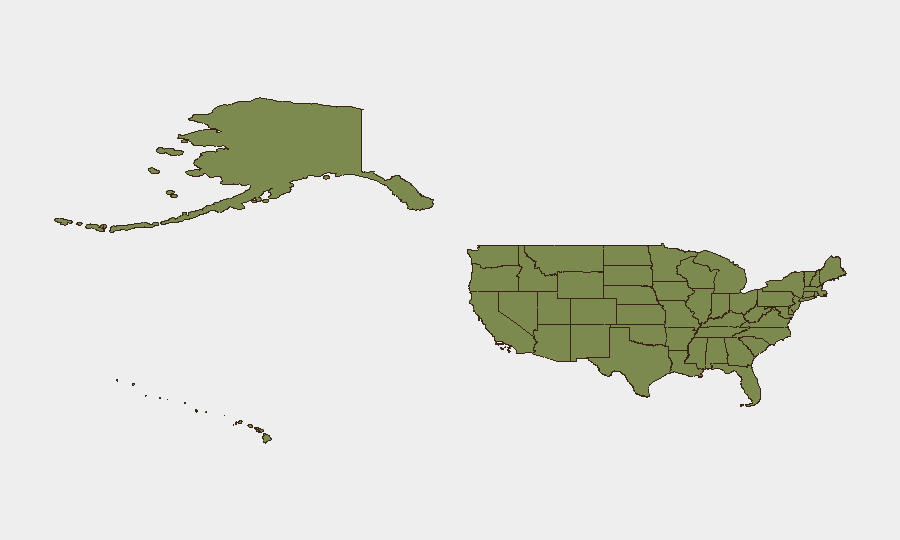
Situation Summary
The United States maintains a composite threat score of 16, ranking #83 globally, reflecting elevated but manageable security risk concentrated in specific high-activity jurisdictions. California and New York dominate the threat landscape with composite scores of 31.6 and 31 respectively, driven by political tension, law-enforcement activity, and cyber operations. Nationwide, critical infrastructure faces active cyber threat from Iranian-affiliated actors targeting operational technology, while multiple software vulnerabilities in widely deployed systems (Adobe, Cisco, Microsoft, SimpleHelp, Tenda routers) create acute exploitation risk if patching lags. The security environment is dynamic but not at acute national crisis level; risk remains geographically and sectoral.
Key Developments
- Nationwide cyber infrastructure (July 26, 2026): U.S. law enforcement completed disruption of a large residential proxy botnet network used in credential theft and fraud operations. Short-term implication: threat actors will migrate to alternative infrastructure; attribution and scope of compromised data remain under investigation.
- Nationwide critical infrastructure (ongoing through July 26): Iranian-affiliated cyber actors continue active targeting of operational technology devices (PLCs and SCADA systems) across multiple U.S. critical infrastructure sectors. Per CISA/FBI/NSA advisories (April 7, 2026, re-affirmed as current threat), intrusions cause documented operational disruption and financial loss; this represents the single highest-consequence cyber threat to U.S. asset security.
- Nationwide DHS investigation (July 2026): Department of Homeland Security is investigating a recent compromise of a U.S. information-sharing network; details on affected sector and data scope remain undisclosed but signal integrity risk to multi-stakeholder information systems.
- Nationwide software vulnerability exploitation (July 24–26): SimpleHelp remote support software maximum-severity flaw is under active exploitation; Cisco Unified Communications Manager critical flaw confirmed exploited; Adobe and Microsoft released patches for 7 and ~200 vulnerabilities respectively. U.S. organizations with delayed patch cycles face elevated breach risk in voice, collaboration, and document systems.
- Nationwide device security (current): CERT/CC warning on unpatched Tenda router backdoor under active exploitation creates pivoting risk for home and small-office networks; SimpleHelp and Tenda flaws are particularly acute for distributed U.S. workforce security posture.
- Political and law-enforcement signals (July 24–26): GeoBit event data shows multiple public statements, arrests/detentions, and investigations involving federal authorities and state actors (South Carolina, Rhode Island, New York, Washington). Specific incident details are not reliably time-stamped in open sources, but signal elevated institutional tension and active investigation activity.
Highest-Risk Areas
California and New York together account for over 62 composite risk points, reflecting both higher operational-technology density and greater political/institutional activity and reporting. Texas (22.7), Florida (15.1), and Wisconsin (15) form a secondary tier; Texas and Florida risk likely reflects critical infrastructure concentration and population density, while Wisconsin data suggests emerging institutional tension. The top five states should be the focus of duty-of-care monitoring for personnel and asset protection; California and New York specifically warrant heightened cyber-hygiene protocols given both political instability signals and critical infrastructure targeting.
How GeoBit Would Assist
Security teams should deploy GeoBit's AOI Monitoring & Early Warning for continuous watch on top-risk states and critical infrastructure sectors, with alerting configured for cyber events and law-enforcement activity. Network & Actor Analysis and OSINT Fusion & Corroboration capabilities enable rapid correlation of multi-source threat signals (cyber advisories, law-enforcement reporting, institutional statements) to assess localized impact on personnel and asset security. Routing & Network Analysis supports alternative site access and supply-chain continuity planning in high-risk jurisdictions.
7-Day Outlook
Critical infrastructure cyber threat intensity will remain elevated; no near-term de-escalation expected absent major law-enforcement action against Iranian-affiliated actors. Software vulnerability exploitation will persist through end-July as organizations stage patching; peak risk window closes once Adobe, Cisco, and Microsoft patches achieve broad deployment (typically 10–14 days post-release). Political and institutional tension signals warrant sustained monitoring but do not yet indicate imminent acute disruption to commercial operations.
Highest-Risk Areas — Ranked
| # | State / Region | Risk |
|---|---|---|
| 1 | California | 31.6 |
| 2 | New York | 31 |
| 3 | Texas | 22.7 |
| 4 | Florida | 15.1 |
| 5 | Wisconsin | 15 |
| 6 | Minnesota | 14.4 |
| 7 | Illinois | 10.4 |
| 8 | Georgia | 9.8 |
| 9 | South Carolina | 8.9 |
| 10 | Pennsylvania | 8.7 |
| 11 | Ohio | 8.3 |
| 12 | Colorado | 8.1 |
Sources
Previous Daily Briefs
A new United States brief is written every day — each with its own risk map and downloadable CSV. Here's the last week; use the calendar to go further back.
📅 Browse every day by calendar →
Highlighted days have a brief. Tap a day for that day's map & analysis, or “csv” for that day's dataset ($5).
Atlas — our AI intelligence desk — emails them this snapshot personally. Nothing else, no list.