Situation Summary
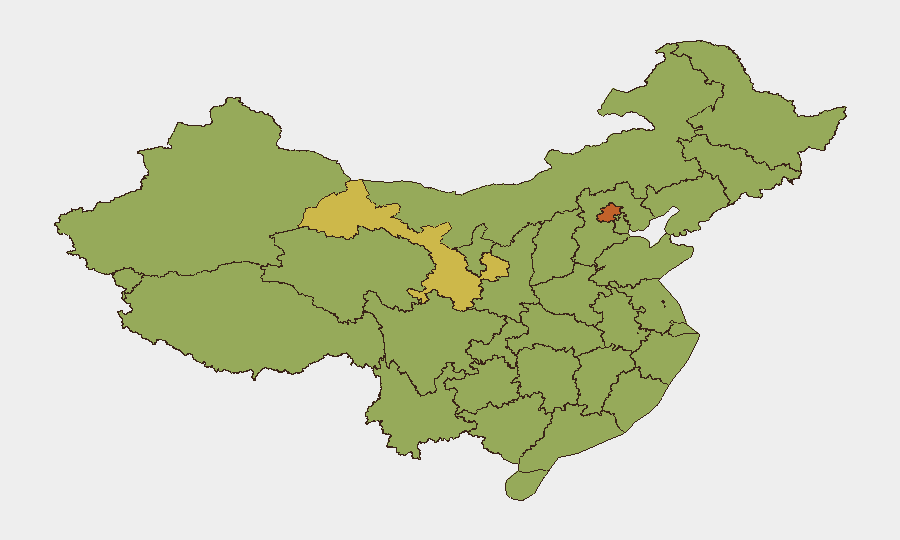
China's national security environment remains stable with no credible reports of major domestic civil unrest, political instability, or acute military escalation inside mainland China during the last 24–48 hours. However, two concurrent risk clusters—a significant natural disaster in Southwest China and heightened maritime confrontation in the South China Sea—are elevating operational and travel risk in specific zones. The overall composite threat score of 64 places China at rank 18 globally, but sub-national concentration in Beijing (75.1) and Gansu (67.2) warrants sector-specific monitoring.
Key Developments
- Pengshui County, Chongqing – July 18–19 (ongoing as of July 22): A mountain collapse in Dahe Township, Pengshui Miao and Tujia Autonomous County killed at least 8 people, left 34 missing, and prompted large-scale search-and-rescue operations. Infrastructure and transport disruption risk remains elevated in the Pengshui area.
- Second Thomas Shoal, South China Sea – July 20: A physical clash between China Coast Guard and Philippine Navy personnel using inflatable boats resulted in at least one reported Philippine Navy injury. The incident marks a material escalation in maritime operational risk in contested South China Sea waters.
- Manila / Beijing – July 22: Chinese and Philippine foreign ministers exchanged formal diplomatic protests over the maritime incident. This formalization of protest increases political tension and may signal hardened postures on future maritime operations near Chinese-claimed waters.
- Waters East of Taiwan – July 18 (ongoing reporting): Chinese maritime law-enforcement authorities launched a "special maritime law enforcement operation" following announced Japan–Philippines maritime delimitation talks, signaling assertive enforcement posture in adjacent seas.
- Southwest China – July 21–22: China's meteorological authority renewed yellow-level rainstorm alerts for multiple regions including Southwest China, warning of flood and landslide risk. This compounds disaster risk in provinces already affected by the Pengshui collapse.
- National Stability Assessment – July 22 baseline: Cross-checked news and security-monitoring sources confirm absence of significant new civil unrest, political instability, or terrorism inside mainland China during the current 24–48 hour window.
Highest-Risk Areas
Beijing (75.1) and Gansu (67.2) anchor the sub-national risk ranking, with Beijing driven by administrative, political, and security-apparatus concentration, and Gansu by geographic isolation and historical resource-competition dynamics. The top-12 list reflects heavy weight toward coastal provinces (Guangdong, Jiangsu, Shanghai, Fujian) where foreign direct investment, port operations, and international workforce density converge with law-enforcement and administrative-sanction activity. Notably, Chongqing—site of the current Pengshui disaster—does not appear in the top 12, suggesting GeoBit's rankings weight political and institutional risk factors more heavily than acute natural-disaster events; companies with Southwest China operations should supplement this ranking with sector-specific environmental and infrastructure monitoring.
How GeoBit Would Assist
Intel Sweep, OSINT fusion, and multi-language event tracking provide real-time detection of emerging civil unrest, diplomatic incidents, and regime-stability shifts across mainland China and its maritime periphery. AOI Monitoring & Early Warning on Beijing, Gansu, and key coastal provinces enables persistent, threshold-triggered alerting on political, administrative, and security developments affecting duty-of-care obligations. Maritime & Aviation tracking, Routing & Network Analysis, and Satellite & Imagery analysis support operational planning and risk mitigation for personnel and assets in contested South China Sea zones and disaster-affected regions.
7-Day Outlook
Maritime tension in the South China Sea is likely to remain elevated as diplomatic negotiations proceed; foreign vessels should expect increased Coast Guard presence and enforcement activity near contested features. Pengshui rescue operations will continue to disrupt regional transport and infrastructure; weather-related landslide and flood risk will persist through the yellow-alert window, affecting Southwest China travel and logistics. Absent new political or security triggers, mainland China's domestic stability is expected to hold through the immediate 7-day period.
Highest-Risk Areas — Ranked
| # | State / Region | Risk |
|---|---|---|
| 1 | Beijing | 75.1 |
| 2 | Gansu | 67.2 |
| 3 | Guangdong Province | 59.6 |
| 4 | Jiangsu | 53.2 |
| 5 | Shanghai | 52 |
| 6 | Shaanxi | 51.9 |
| 7 | Hainan Province | 50.8 |
| 8 | Shandong | 50.6 |
| 9 | Fujian | 50.4 |
| 10 | Qinghai | 48.4 |
| 11 | Sichuan | 47.9 |
| 12 | Liaoning | 46.2 |
Sources
Previous Daily Briefs
A new China brief is written every day — each with its own risk map and downloadable CSV. Here's the last week; use the calendar to go further back.
📅 Browse every day by calendar →
Highlighted days have a brief. Tap a day for that day's map & analysis, or “csv” for that day's dataset ($5).
Atlas — our AI intelligence desk — emails them this snapshot personally. Nothing else, no list.