Situation Summary
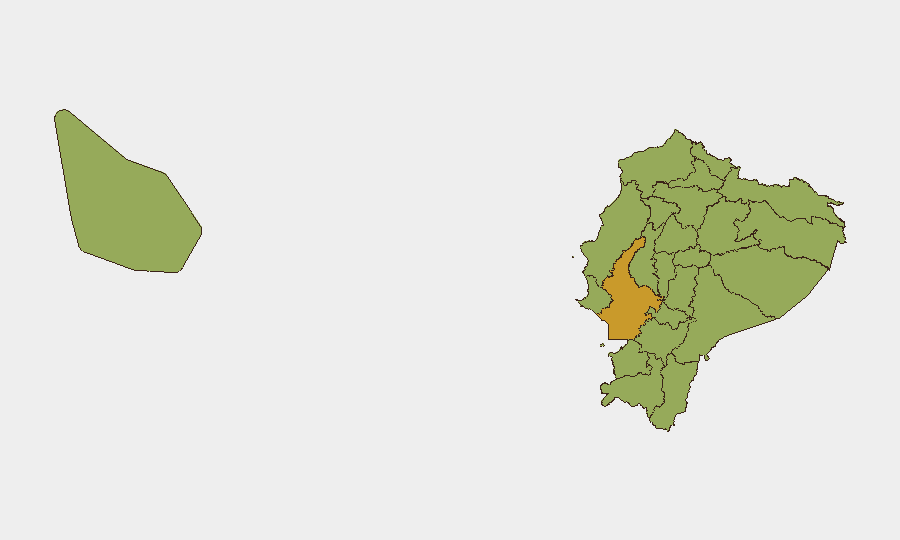
Ecuador remains at composite threat level 60 globally (#30), with organized crime violence as the primary driver across 129 tracked events. The country faces concurrent institutional stress—evidenced by judicial-executive friction, police disapproval statements, and media criticism—layered atop persistent street-level gang activity, extortion, and smuggling. Guayas Province (risk 71.7) significantly outpaces all other regions and remains the dominant threat vector. The security picture shows no marked de-escalation as of early August 2026.
Key Developments
- Quito (La Michelena, south) — 2026-07-29: A Colombian national was fatally shot inside a commercial premises; a second person was wounded. The incident reflects ongoing transnational exposure to armed violence in the capital's southern districts (Infobae, Ecuavisa).
- Quito (La Ferroviaria and Carcelén, north) — 2026-07-29: Police arrested seven suspects, including three minors, allegedly linked to the Los Lobos gang; firearms and gang-related evidence were seized during the operation (Televistazo).
- Quito (multiple southern locations) — 2026-07-30 to 2026-07-31: Successive arrests of two suspects ("Pepe" and "Mono") tied to Los Lobos were announced; police claimed the detentions disrupted extortion and robbery networks within the capital (Metro Ecuador).
- Quito (La Mariscal) — 2026-07-31: Police seized over USD 34,000 in alleged counterfeit cellphone accessories from a commercial location, indicating active anti-smuggling enforcement (Metro Ecuador).
- Quito (university campus) — 2026-07-31: Three suspects in the prior murder of a financial manager employed at the university were detained on campus, reflecting ongoing gang-linked homicide investigations (Metro Ecuador).
- Ecuador (national) — 2026-08-03: Military demonstrated/rallied and a public statement was issued by state authorities; context suggests institutional or operational response to security escalation, though specific statement content is not detailed in available reporting.
- Ecuador (national) — 2026-08-01: Multiple institutional actors (judges, police, publishers) issued disapprovals and rejections; a demand was filed by Sweden against Guayaquil authorities, indicating potential consular or international-law friction tied to security or criminal incidents.
Highest-Risk Areas
Guayas Province (71.7) drives Ecuador's threat profile and is the clear priority for asset and personnel protection; it encompasses Guayaquil and its port and commercial corridors, where organized crime competition for trafficking and extortion revenue remains acute. Pichincha Province (46.4)—which includes the capital Quito—ranks second and shows persistent gang activity (Los Lobos, others), kidnapping risk, and counterfeit/smuggling operations concentrated in districts south and north of the city center. The remaining ten provinces cluster at 41.7, indicating a secondary but uniform baseline of organized crime, narcotics, and cross-border risk, particularly in Sucumbíos, Orellana, and Carchi (northern Amazon and Colombian border zones).
How GeoBit Would Assist
Teams with personnel or assets in Ecuador should employ AOI Monitoring & Early Warning on Guayas (Guayaquil port, commercial zones) and Quito districts to detect gang activity, extortion campaigns, and violent incident clusters in real time. Intel Sweep and X/Twitter OSINT would flag institutional crises, police/judicial statements, and gang-linked violence as they emerge across official and verified local sources. Network & Actor Analysis would map Los Lobos and competing criminal organizations, track detention and arrest cascades, and correlate with extortion and trafficking patterns.
7-Day Outlook
No significant de-escalation is expected in the near term; institutional friction and gang violence are likely to persist in Guayaquil and Quito through early August. Continued police anti-gang operations may produce short-term tactical gains but are unlikely to reduce overall threat density. Teams should maintain heightened vigilance in Guayas and southern Pichincha, with contingency protocols for movement in high-risk commercial and port zones.
Highest-Risk Areas — Ranked
| # | State / Region | Risk |
|---|---|---|
| 1 | Guayas Province | 71.7 |
| 2 | Pichincha Province | 46.4 |
| 3 | Santa Elena Province | 42.8 |
| 4 | Sucumbíos Province | 41.7 |
| 5 | Orellana Province | 41.7 |
| 6 | Manabí Province | 41.7 |
| 7 | Galápagos | 41.7 |
| 8 | Esmeraldas Province | 41.7 |
| 9 | Carchi Province | 41.7 |
| 10 | Imbabura Province | 41.7 |
| 11 | Santo Domingo de los Tsáchilas Province | 41.7 |
| 12 | Napo Province | 41.7 |
Sources
Previous Daily Briefs
A new Ecuador brief is written every day — each with its own risk map and downloadable CSV. Here's the last week; use the calendar to go further back.
📅 Browse every day by calendar →
Highlighted days have a brief. Tap a day for that day's map & analysis, or “csv” for that day's dataset ($5).
Atlas — our AI intelligence desk — emails them this snapshot personally. Nothing else, no list.