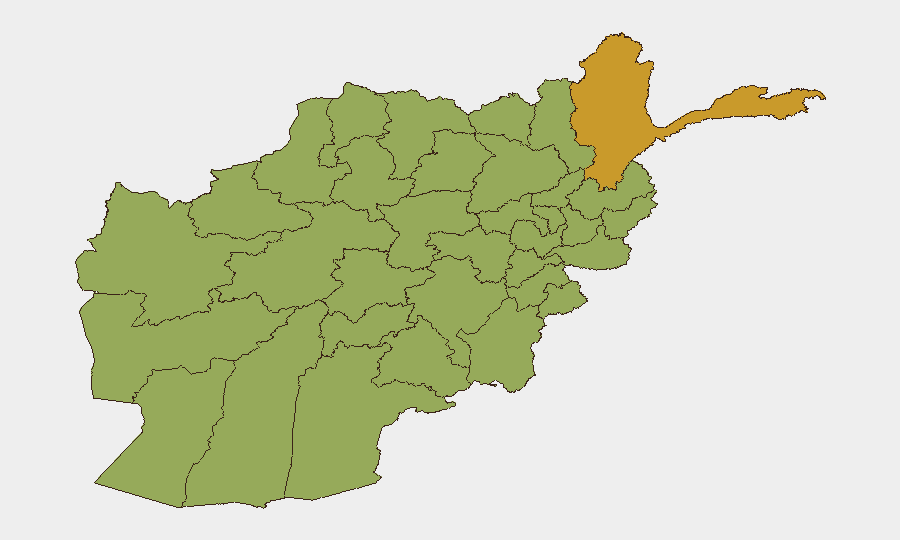
Situation Summary
Afghanistan remains fragmented along ideological and military lines, with the Taliban facing renewed armed resistance in the northeast and sustained pressure along the Pakistan border. Over the past 48 hours, multiple credible reports indicate the Afghanistan Freedom Front (AFF) has escalated conventional operations against Taliban positions in Badakhshan and Baghlan provinces, claiming significant casualties and equipment losses. The Taliban's public response—dismissing reports as exaggerated—suggests concern over narrative control and the scale of recent losses. Regional instability is compounding security risks, with cross-border Taliban–Pakistani military clashes and Pakistani authorities linking Afghan Taliban support to violence in Balochistan.
Key Developments
- Zebak District, Badakhshan Province (2026-07-28): AFF claimed capture of additional Taliban outposts, reporting 21 Taliban fighters killed and 37 wounded in ongoing operations. Taliban officials have acknowledged "recent security incidents" but did not confirm casualty figures.
- Zebak District, Badakhshan Province (late 2026-07-28): Taliban forces planted landmines on access routes to checkpoints in Zebak in response to multi-day AFF offensive operations. Mine-laying activity confirmed via resistance social media and regional news sources.
- Zebak District, Badakhshan Province (2026-07-28): AFF reported destroying two Taliban military drones during operations. Independent verification of drone losses remains unavailable; claim amplified by resistance-aligned social accounts.
- Doshi District, Baghlan Province (2026-07-28): AFF reported ambushing and destroying a Taliban reinforcement convoy en route from Kabul through the Salang corridor to Badakhshan. Claimed 7 Taliban fighters killed, 6 wounded, and weapons/equipment destroyed. Incident documented in independent news coverage describing a rocket attack.
- Andarab District, Baghlan Province (night of 2026-07-28): Multiple rockets fired at a Taliban checkpoint in Kaseh Tarash followed by several hours of clashes between Taliban units and opposition fighters. Casualty figures unconfirmed; timing and location corroborated by resistance social media.
- Kabul (2026-07-29): Taliban spokesman Zabihullah Mujahid held media event addressing Badakhshan security concerns, characterizing reports of intensified fighting and opposition gains as "exaggerated" and asserting "security is under control."
- Durand Line, Zakha Khel Bazaar area (2026-07-29): Renewed clashes between Taliban forces and Pakistani border troops reported. Pakistani media references concurrent operations and casualties, indicating persistent cross-border tensions.
- Balochistan Province, Pakistan—Ziarat District (2026-07-29): Pakistani authorities recovered 21 abducted police officers shot dead near Mangi Dam. Pakistan's military attributed violence to Afghan Taliban support of armed groups, elevating travel and border-zone risk.
Highest-Risk Areas
Badakhshan Province (71.4 risk score) remains the critical flashpoint, driven by sustained AFF resistance operations, multi-day ground combat, mine-laying, and drone losses—all signaling Taliban loss of territorial and operational control. Helmand Province (57.9) and the broader southern belt (Kandahar, Zabul, Ghazni, Paktika, Farah, Nimruz) maintain elevated baseline risk from fragmented insurgent networks and Taliban consolidation efforts. The Pakistan border corridor—particularly Baghlan, Badakhshan, and cross-border zones—carries compounded risk from Taliban–Pakistani military clashes and demonstrated supply-line vulnerability (Salang corridor ambush).
How GeoBit Would Assist
Security teams monitoring Afghanistan would employ Intel Sweep and multi-language OSINT to track AFF and Taliban claims in near-real time, corroborating casualty and equipment-loss reports across social platforms and regional news feeds. AOI Monitoring and Early Warning on Badakhshan, Baghlan, and the Durand Line would flag escalating clashes, mine-laying, and convoy movements before operational impact. Conflict & Military mapping, force structure, and weapons-capability tracking contextualize Taliban losses and AFF operational reach, informing movement routing and asset placement decisions.
7-Day Outlook
AFF momentum in the northeast is likely to sustain or accelerate, with Taliban countermeasures (fortification, reinforcement via Salang) creating a high-friction operational environment. Cross-border tension with Pakistan will remain elevated as Taliban logistical networks face disruption. Personnel and asset movements into or through Baghlan, Badakhshan, and southern provinces warrant enhanced route planning and security posture.
Highest-Risk Areas — Ranked
| # | State / Region | Risk |
|---|---|---|
| 1 | Badakhshan Province | 71.4 |
| 2 | Helmand Province | 57.9 |
| 3 | Daykundi Province | 46.6 |
| 4 | Zabul Province | 41.4 |
| 5 | Kandahar Province | 41.4 |
| 6 | Ghazni Province | 41.4 |
| 7 | Paktika Province | 41.4 |
| 8 | Farah Province | 41.4 |
| 9 | Nimruz Province | 41.4 |
| 10 | Jowzjan Province | 41.4 |
| 11 | Balkh Province | 41.4 |
| 12 | Badghis Province | 41.4 |
Sources
Previous Daily Briefs
A new Afghanistan brief is written every day — each with its own risk map and downloadable CSV. Here's the last week; use the calendar to go further back.
📅 Browse every day by calendar →
Highlighted days have a brief. Tap a day for that day's map & analysis, or “csv” for that day's dataset ($5).
Atlas — our AI intelligence desk — emails them this snapshot personally. Nothing else, no list.