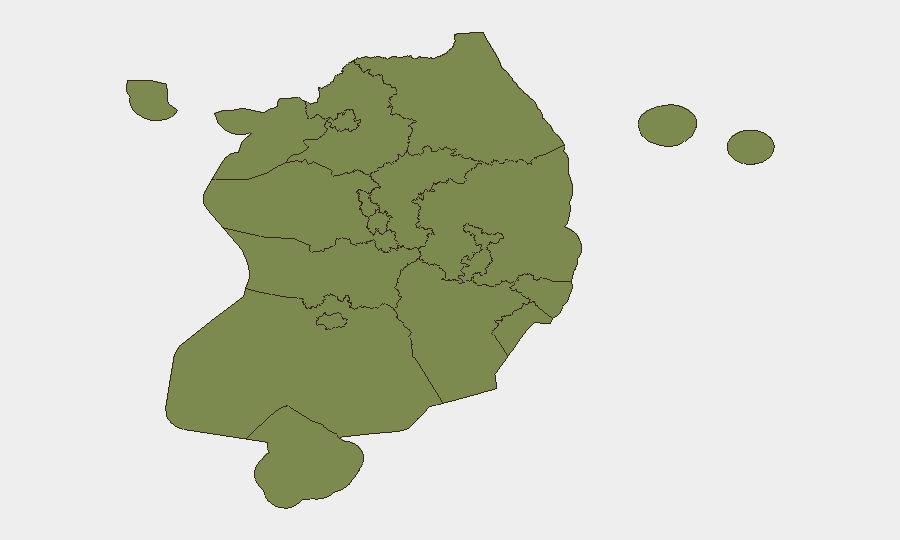
Situation Summary
South Korea remains a moderate-threat environment (global rank #134, composite score 5) with 137 tracked events, but faces a significant near-term security shock from a large-scale cyberattack on the Ministry of Foreign Affairs and concurrent infrastructure disruptions. The Korea National Diplomatic Academy breach—affecting up to 10,000 current and former diplomats and exposing names, IDs, emails, and departmental affiliations—has triggered a national-level damage assessment and state-backed attribution inquiry. Parallel weather-related infrastructure failures (expressway closures, tunnel fires) and political-legal developments add near-term operational friction; overall threat trajectory is contained but elevated.
Key Developments
- Seoul – Korea National Diplomatic Academy cyberattack confirmed (July 20–22, 2026)
Ministry of Foreign Affairs publicly disclosed a large-scale breach of the academy's online education system affecting up to 10,000 current and former diplomats and foreign ministry staff. Investigators are examining possible involvement of state-backed hacking groups, including North Korean threat actors; briefings continued through July 22 with no concrete evidence of downstream misuse yet confirmed.
- Seoul – diplomatic network personnel data exposure (July 21–22, 2026)
Compromised dataset includes names, IDs, email addresses, positions, and departmental affiliations of central foreign ministry apparatus and personnel at South Korean diplomatic missions abroad. Intelligence authorities launched a national-level investigation citing potential national security implications.
- Seoul metropolitan area – major expressway closure due to flooding (July 18–19, 2026)
All sections of the Dongbu Expressway in Seoul fully closed to traffic following heavy rain warnings and flood advisories; up to 200 mm rainfall forecast through July 19 caused widespread travel disruption.
- Yeongdong Expressway, Daegwallyeong Tunnel – multi-vehicle collision and fire (July 18, 2026)
A collision triggering a fire forced closure of both directions on this key inter-regional route during the Constitution Day holiday, exacerbating congestion and road-safety risk.
- Incheon – logistics center fire (mid-July, ongoing)
A Coupang facility fire entering its third day as of late July caused localized environmental and resident-safety impacts; all 121 workers evacuated with no casualties reported.
- Seoul – Seoul Mayor verdict and ongoing political proceedings (July 22, 2026 verdict due)
First-instance verdict scheduled for Seoul Mayor Oh Se‑hoon on charges related to accepting polling services from a political broker, with potential for shortened mayoral tenure and municipal leadership uncertainty.
Highest-Risk Areas
Incheon and Seoul jointly rank as highest risk (31.4 each), driven by the diplomatic cyberattack concentrated in Seoul, the logistics-center fire in Incheon, and infrastructure disruptions affecting both metropolitan areas. North Chungcheong (19.3) and North Gyeongsang (14) show elevated risk, likely reflecting border-region monitoring and inter-regional transport vulnerabilities. Remaining provinces are substantially lower-risk; Sejong and Jeju present minimal current threat.
How GeoBit Would Assist
Security and risk teams should deploy Intel Sweep and OSINT fusion to corroborate North Korean and other state-actor involvement in the diplomatic breach, monitor dark-web and Telegram channels for leaked credential sales, and track downstream phishing/lateral-movement campaigns. AOI Monitoring & Early Warning on Seoul, Incheon, and expressway infrastructure can provide persistent alerting on cascading cyber incidents, road closures, and political developments affecting duty-of-care obligations. Network & Actor Analysis applied to the breach's technical indicators will clarify threat-actor intent, timeline, and likely targets among multinational diplomatic and trade personnel.
7-Day Outlook
The diplomatic cyberattack will remain the dominant security driver through the next week, with attribution and damage assessment continuing and potential for secondary incidents (credential misuse, targeted phishing of compromised personnel). Weather-related infrastructure impacts should subside by late July; however, political verdict outcomes and any associated civil unrest in Seoul warrant close monitoring through mid-to-late week. Overall threat trajectory remains contained but requires active monitoring of cyber-incident follow-on activity and diplomatic-network exposure mitigation.
Highest-Risk Areas — Ranked
| # | State / Region | Risk |
|---|---|---|
| 1 | Incheon | 31.4 |
| 2 | Seoul | 31.4 |
| 3 | North Chungcheong | 19.3 |
| 4 | North Gyeongsang | 14 |
| 5 | South Chungcheong | 13 |
| 6 | Gyeonggi | 9.6 |
| 7 | Gangwon State | 7.2 |
| 8 | Jeonbuk State | 7.2 |
| 9 | Busan | 3.8 |
| 10 | South Jeolla | 3.3 |
| 11 | Jeju | 1.9 |
| 12 | Sejong | 1.4 |
Sources
Previous Daily Briefs
A new South Korea brief is written every day — each with its own risk map and downloadable CSV. Here's the last week; use the calendar to go further back.
📅 Browse every day by calendar →
Highlighted days have a brief. Tap a day for that day's map & analysis, or “csv” for that day's dataset ($5).
Atlas — our AI intelligence desk — emails them this snapshot personally. Nothing else, no list.