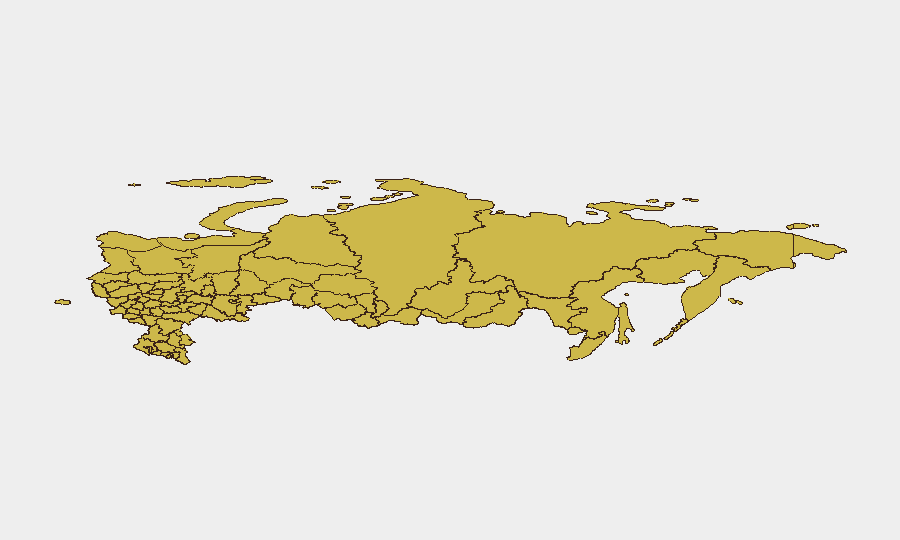
Situation Summary
Russia faces sustained high-intensity cross-border drone and missile strikes from Ukraine, coupled with cascading damage to critical energy and logistics infrastructure that is now visibly straining essential services across multiple regions. Fuel shortages linked to refinery strikes have intensified in the past 48 hours, with reports of ambulance fuel depletion, suspended waste collection, and long queues at gas stations in major cities including Moscow. Concurrently, domestic political and social friction is rising—with authorities conducting raids on civilian fuel stockpiles and elite commentary reflecting concern over internal stability—even as Russia maintains significant air defense and intercepts large volumes of incoming drones. The trajectory indicates sustained operational pressure on Russian infrastructure and growing internal strain on governance and supply chains.
Key Developments
- Moscow region, 26 July: Ukrainian drone strike on oil refinery causes temporary disruption to commercial flight operations at Moscow airports; reported as the second major refinery strike in one week.
- Volgograd, 26 July: Ukrainian forces strike major industrial facility; attack framed as part of campaign targeting Russian economic and military-linked infrastructure.
- Multiple regions (Black Sea, Sea of Azov, interior Russia), night of 25–26 July: Russian Ministry of Defense reports interception of 323 Ukrainian drones across several regions and maritime zones overnight, indicating sustained high-volume cross-border drone operations.
- Crimea, 26 July: Ukrainian drones attack 16 electrical substations; part of ongoing campaign against Russian-controlled energy infrastructure with reported fuel and power strain.
- Southwestern Russia, 26 July: Russian security services claim to have foiled alleged sabotage plot against railway infrastructure, described as counter-terrorism operation on critical transport asset.
- Nationwide, up to 26 July: Fuel shortages attributed to repeated refinery strikes now affecting essential services; reports include ambulances unable to refuel and garbage collection suspended in some localities.
- Moscow area (near Dadva airport), 26 July: Strikes reported on warehouse facilities linked to logistics operations, part of broader same-day campaign against Russian military logistics hubs.
- Krasnodar Krai and maritime zones, 25–26 July: Ukrainian operations target Russian air-defense systems and vessels in Black Sea and Sea of Azov, including hits on "shadow fleet" logistics assets.
Highest-Risk Areas
Moscow (risk 91) remains the primary target zone, driven by concentration of political command, media, and energy/logistics infrastructure vulnerable to long-range strikes. Saint Petersburg (75.4) and Belgorod Oblast (68) rank second and third, with Belgorod facing ongoing cross-border fire and Saint Petersburg exposed to maritime and airspace threats. The southwestern corridor—Rostov, Kursk, and Astrakhan oblasts (65–63)—faces compounded risk from proximity to active conflict zones, drone operations, and reported sabotage concerns on critical transport links. Kabardino-Balkaria and Stavropol in the North Caucasus (both 68–63) reflect persistent instability from militant and separatist activity overlapping with war-related pressures.
How GeoBit Would Assist
Security teams managing personnel or assets in Russia would employ AOI Monitoring & Early Warning on high-risk regions (Moscow, Belgorod, southwestern oblasts) to detect emerging drone/strike activity and supply-chain disruptions in near-real time. Conflict & Military intelligence (battle mapping, force structure, weapons tracking) and Satellite & Imagery Analysis would track refinery damage, infrastructure repair timelines, and fuel logistics flows. Regime-Stability Search combined with Network & Actor Analysis would monitor elite political friction and internal security operations signaling governance stress.
7-Day Outlook
Drone and refinery strikes are likely to persist at current or elevated intensity over the next week, with fuel shortages expected to worsen before any infrastructure repair gains effect. Domestic friction over resource scarcity and repression may intensify; corporate security teams should anticipate increased internal security operations and potential restrictions on movement or asset access in major cities. Risk to supply chains and personnel mobility remains elevated, particularly in Moscow, southwestern regions, and along transport corridors.
Highest-Risk Areas — Ranked
| # | State / Region | Risk |
|---|---|---|
| 1 | Moscow | 91 |
| 2 | Saint Petersburg | 75.4 |
| 3 | Belgorod Oblast | 68 |
| 4 | Kabardino-Balkaria | 68 |
| 5 | Rostov Oblast | 64.9 |
| 6 | Primorsky Krai | 63.9 |
| 7 | Stavropol Krai | 63.2 |
| 8 | Astrakhan Oblast | 62.9 |
| 9 | Kursk Oblast | 62.5 |
| 10 | Khabarovsk Krai | 62.3 |
| 11 | Ryazan Oblast | 62.3 |
| 12 | Tyumen Oblast | 61.9 |
Sources
Previous Daily Briefs
A new Russia brief is written every day — each with its own risk map and downloadable CSV. Here's the last week; use the calendar to go further back.
📅 Browse every day by calendar →
Highlighted days have a brief. Tap a day for that day's map & analysis, or “csv” for that day's dataset ($5).
Atlas — our AI intelligence desk — emails them this snapshot personally. Nothing else, no list.