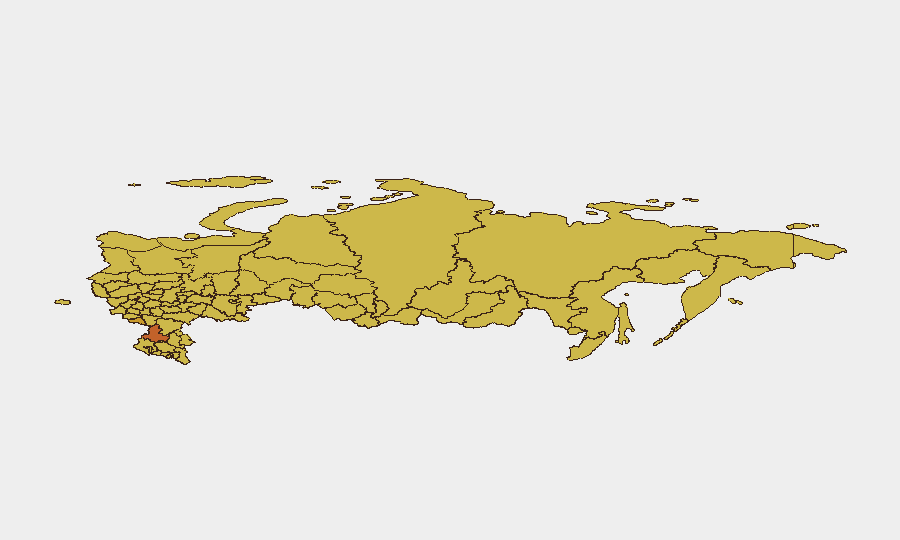
Situation Summary
Russia faces intensifying multi-domain pressure from Ukrainian strikes on energy and logistics infrastructure, compounded by domestic fuel shortages and military operations along multiple border regions. Over the past 48 hours, large-scale drone attacks have targeted refineries, commercial logistics networks, and shadow-fleet vessels, with cascading effects on civilian services and supply chains. The composite national threat score of 95 reflects active conflict, but sub-national variance is pronounced: Moscow and western border oblasts face the highest acute risk from air strikes, while fuel disruptions are now a nationwide civilian-sector concern. Threat trajectory remains elevated with no near-term de-escalation signals.
Key Developments
- Moscow, Moscow Oblast – 27 July, overnight
Ukrainian drone strike on Moscow-area oil refinery caused secondary fires and temporary airspace restrictions affecting commercial flights. This marks the second refinery strike in one week on the capital region.
- Novos Pascoya, Ulanov region – 26–27 July, overnight
Large fire at oil refinery following reported Ukrainian drone strike; emergency services responded to significant facility damage consistent with energy-infrastructure targeting campaign.
- Tyumen Oblast – 26–27 July
Ukrainian forces confirmed strike on Tyumen oil refinery; Ukrainian leadership publicly attributed the attack to deep-strike operations against Russian energy sector, contributing to announced extension of Russia's gasoline export ban through end-2026.
- Multiple regions, Black Sea & Azov Sea – 26–27 July, overnight
Russian Defense Ministry reported interception of 323 Ukrainian drones across western and southern regions and territorial waters; Ukrainian sources report targeting 13 shadow-fleet vessels in simultaneous maritime operations.
- Wildberries logistics warehouses – 26–27 July, overnight
Ukrainian drones struck two facilities belonging to Russia's largest e-commerce retailer; at least 15 injured and fires reported. Attacks characterized as part of broader campaign against dual-use logistics infrastructure.
- Nationwide fuel distribution – 26–27 July, ongoing
Russian Deputy PM Novak announced extension of gasoline export ban to end-2026 citing domestic shortages. Social media and regional reports document queues at filling stations, suspended garbage collection, and ambulance fuel constraints across multiple oblasts.
Highest-Risk Areas
Moscow (96.6) remains the primary concentration point due to active air-strike targeting of energy and transport infrastructure, with direct civilian impact. Saint Petersburg (76.7) and western border oblasts—Rostov (75.7), Belgorod (71.2), Kursk (68.6)—face compounded risk from proximity to active military operations and cross-border strike activity. Southern and Far Eastern regions (Primorsky, Kamchatka, Khabarovsk) show elevated scores driven by military positioning and maritime targeting; Murmansk carries sub-regional strategic importance. Fuel shortages now create indirect economic and civilian-service risk across all oblasts, disproportionately affecting regions dependent on refined-product distribution networks.
How GeoBit Would Assist
Security teams operating in Russia should employ AOI Monitoring & Early Warning to track refinery locations, fuel distribution hubs, and logistics nodes with persistent alerting on strike activity. Intel Sweep and OSINT Fusion (X/Telegram monitoring, cross-checking state claims and Ukrainian sources, sentiment analysis of supply-chain disruption) provide real-time corroboration of reported incidents and emerging fuel-access bottlenecks. Routing & Network Analysis enables rapid alternative-logistics planning when primary fuel and supply corridors are disrupted; Conflict & Military battle mapping clarifies safe corridors and no-go zones near active strike zones and military positions.
7-Day Outlook
Drone-strike campaigns on energy infrastructure will likely continue at scale, with no indication of pause or negotiated cessation. Fuel shortages are expected to deepen and spread inland, creating pressure on commercial operations, transport, and emergency services. Moscow and border oblasts should anticipate sustained air-defense activity and temporary airspace disruptions; inland regions may face supply-chain friction before energy-sector recovery.
Highest-Risk Areas — Ranked
| # | State / Region | Risk |
|---|---|---|
| 1 | Moscow | 96.6 |
| 2 | Saint Petersburg | 76.7 |
| 3 | Rostov Oblast | 75.7 |
| 4 | Belgorod Oblast | 71.2 |
| 5 | Primorsky Krai | 68.9 |
| 6 | Kamchatka Krai | 68.8 |
| 7 | Kursk Oblast | 68.6 |
| 8 | Murmansk Oblast | 68.3 |
| 9 | Khabarovsk Krai | 68.2 |
| 10 | Astrakhan Oblast | 68.1 |
| 11 | Volgograd Oblast | 67.7 |
| 12 | Ryazan Oblast | 67.7 |
Previous Daily Briefs
A new Russia brief is written every day — each with its own risk map and downloadable CSV. Here's the last week; use the calendar to go further back.
📅 Browse every day by calendar →
Highlighted days have a brief. Tap a day for that day's map & analysis, or “csv” for that day's dataset ($5).
Atlas — our AI intelligence desk — emails them this snapshot personally. Nothing else, no list.