Situation Summary
South Korea remains a stable mid-tier security environment (global rank #130) but faces a convergence of acute near-term pressures: a confirmed North Korean border incursion, an active cyber breach investigation with suspected DPRK involvement, and escalating civil unrest in central Seoul. Political instability tied to an ongoing impeachment trial compounds the risk environment and may amplify protest activity. While the overall threat composite score remains moderate (5/123 events), the concentration of sensitive incidents in Seoul and along the northern border warrants close monitoring by organizations with personnel or assets in those zones.
Key Developments
- Border Security Incident, Central DMZ (Tuesday evening, 25 July – reported) — A North Korean soldier crossed the Military Demarcation Line into South Korea and was taken into custody with apparent intent to defect. The Joint Chiefs of Staff confirmed the incident; this marks the fourth such crossing under the current administration and represents a direct North Korea–South Korea security flashpoint.
- Diplomatic Academy Data Breach, South Korea (date disclosed this week) — Authorities are investigating a major data breach at a South Korean diplomatic academy, with preliminary indications of possible North Korean involvement. The breach poses potential compromise of sensitive government or diplomatic communications.
- Fishing Vessel Fire, Sokcho Coast, Gangwon Province (reported within last 48 hours) — A fire aboard a fishing vessel off Sokcho led to a multi-asset maritime response by Sokcho Coast Guard (Patrol Vessel 509, Patrol Boats P-88 and P-105). All 9 crew members were rescued; no deaths reported. This incident underscores ongoing maritime safety exposure in the northeast.
- Escalating Civil Unrest, Olympic Park, Seoul (ongoing, now in third week) — Protests at a former ballot-counting center in Olympic Park continue to escalate, with reports of dangerous behavior including throwing rocks and attempts to stab participants with whiteboard markers. The incident reflects heightened social tensions in central Seoul.
- Impeachment Trial Nearing Conclusion, National Assembly, Seoul — South Korea's political environment is experiencing deepening rifts as an impeachment trial approaches its final phase, raising the risk of institutional conflict and potential for protest mobilization around the National Assembly and central Seoul.
Highest-Risk Areas
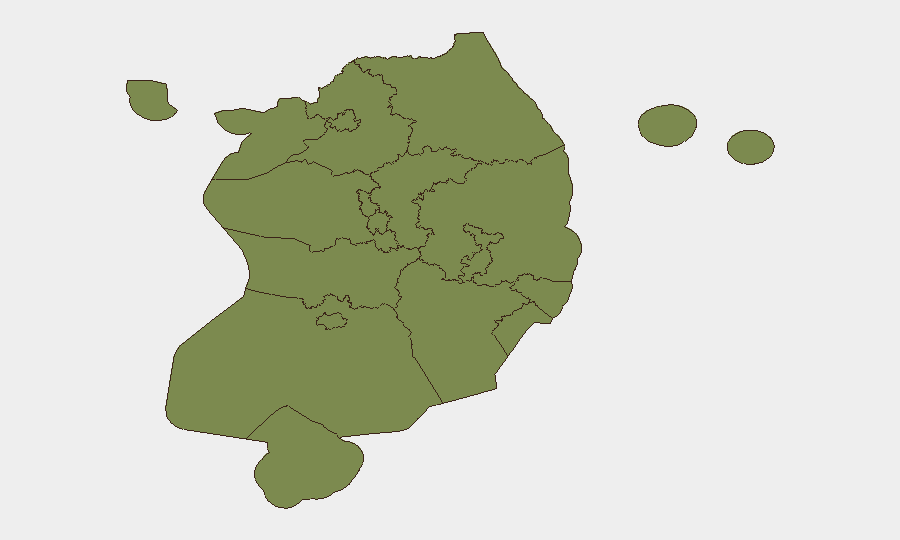
Seoul dominates the sub-national risk profile (composite score 31.5), driven by political instability, ongoing civil unrest, and the concentration of government and diplomatic infrastructure. North Gyeongsang Province (5.3) and South Chungcheong (5.0) register secondary risk, likely reflecting sensitivity to North Korean activity and border-proximity factors. Busan, Gyeonggi, and Incheon present lower but non-negligible risk (2.6, 2.2, 1.9 respectively), primarily linked to maritime activity and proximity to the DMZ. Organizations with personnel in Seoul should prioritize situational awareness around National Assembly proceedings and protest-prone areas; those near the northern border and coastal zones should monitor military and maritime incidents.
How GeoBit Would Assist
Security teams should employ AOI Monitoring & Early Warning focused on Seoul (National Assembly, Olympic Park) and the central DMZ to detect emerging protests or military activity in real time. Intel Sweep and multi-language OSINT (including North Korean state media monitoring) will track diplomatic and cyber incident developments. Regime-stability search and election monitoring capabilities help contextualize the impeachment trial's trajectory and downstream protest risk.
7-Day Outlook
The impeachment trial conclusion is likely to trigger near-term protest surges in central Seoul; simultaneous North Korean messaging activity suggests potential tactical escalation or political signaling. Cyber threats attributed to North Korea may expand beyond the disclosed diplomatic breach. Personnel movements to or within Seoul should anticipate road disruptions and crowd security measures through trial resolution.
Highest-Risk Areas — Ranked
| # | State / Region | Risk |
|---|---|---|
| 1 | Seoul | 31.5 |
| 2 | North Gyeongsang | 5.3 |
| 3 | South Chungcheong | 5 |
| 4 | Busan | 2.6 |
| 5 | Gyeonggi | 2.2 |
| 6 | Incheon | 1.9 |
| 7 | Gangwon State | 1.6 |
| 8 | Jeonbuk State | 1.6 |
| 9 | North Chungcheong | 1.5 |
| 10 | South Jeolla | 1.5 |
| 11 | Jeju | 1.5 |
| 12 | Sejong | 1.5 |
Sources
Previous Daily Briefs
A new South Korea brief is written every day — each with its own risk map and downloadable CSV. Here's the last week; use the calendar to go further back.
📅 Browse every day by calendar →
Highlighted days have a brief. Tap a day for that day's map & analysis, or “csv” for that day's dataset ($5).
Atlas — our AI intelligence desk — emails them this snapshot personally. Nothing else, no list.