Situation Summary
The United States faces elevated near-term security risk driven by a coordinated Iran-aligned cyberattack on critical water infrastructure, concurrent armed violence in Pacific Northwest urban centers, and broad political tensions reflected in protest activity and federal monument vandalism. Composite threat score ranks the U.S. at #93 globally (10/100), but sub-national concentration—particularly Texas, California, and New York—reflects acute localized risk in specific states and cities. The convergence of critical-infrastructure cyber activity, street-level armed conflict, and federal security posture indicates a period of heightened operational complexity for organizations with personnel or assets across major metropolitan regions.
Key Developments
- Minnesota water systems cyberattack (July 28–30): Iran-aligned threat actors conducted a coordinated cyberattack affecting 30+ municipal and community water utilities across Minnesota; at least one city's well and treatment plant taken offline; FBI and federal authorities investigating for attribution and assessing as significant critical-infrastructure incident with potential for similar attacks nationwide.
- Seattle Center shooting (July 30): Multiple victims reported shot at or near Seattle Center, Seattle, Washington; law enforcement responded with active suspect-search underway, elevating immediate security and travel risk in the venue and surrounding area.
- Stryker Corporation cyberattack (late July, reported last 48 hours): Pro-Iran hacking group claimed responsibility for cyberattack against U.S. medical-technology company; no ransomware or malware detected in products/operations, but incident linked to broader wave of Iran-linked cyber activity targeting U.S. healthcare and infrastructure sectors.
- Federal Reserve personnel travel advisory (July 29–30): Federal Reserve Inspector General issued findings urging strengthened protections for personnel and sensitive information during foreign travel; reflects current assessment of elevated foreign-intelligence targeting of U.S. officials abroad.
- Lincoln Memorial Reflecting Pool vandalism (July 30): Former U.S. Olympic canoeist pleaded not guilty to federal vandalism charges at Lincoln Memorial Reflecting Pool, Washington, D.C.; incident draws heightened political attention amid broader tensions over federal monument management.
- Seattle civic unrest (July 31): Disapproval demonstrations and armed confrontation involving Seattle Mayor reported; reflects ongoing urban social tension in Pacific Northwest region consistent with higher-frequency small-arms and protest events.
Highest-Risk Areas
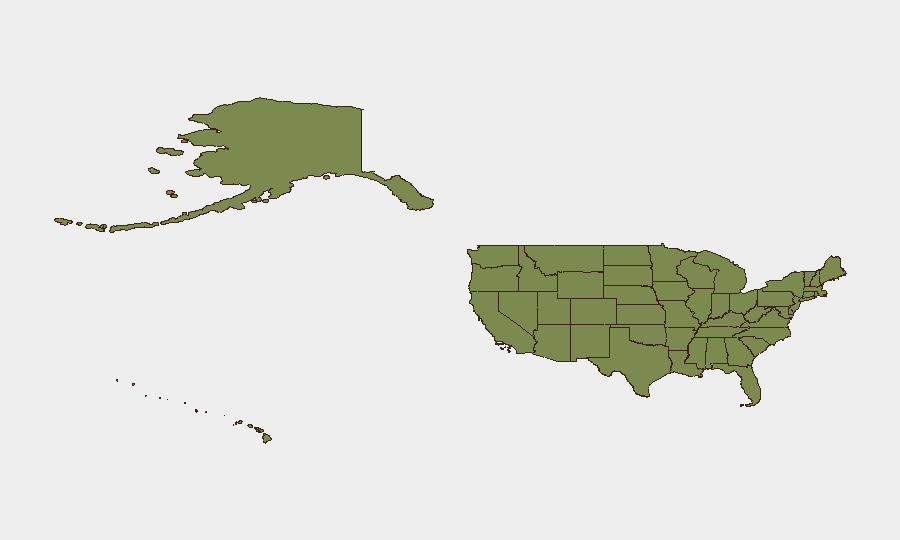
Texas (32.8), California (26.9), and New York (20.5) dominate sub-national risk rankings and account for the largest share of tracked threat events. Texas risk is driven by border security, criminal organization activity, and political demonstrations; California by urban armed violence, protest frequency, and cyber-enabled activism; New York by concentration of federal, financial, and infrastructure targets combined with ongoing civic unrest. Georgia, Illinois, and Florida round out the elevated-risk tier, with distributed cyber, crime, and protest activity. Seattle and Minneapolis currently exhibit acute tactical risk (armed violence and critical-infrastructure targeting, respectively) that exceeds their state-level baselines.
How GeoBit Would Assist
Organizations can employ Intel Sweep and global event feeds to track Iran-linked cyber-actor statements and targeting patterns in real time, combined with cyber and critical-infrastructure search to identify sector vulnerabilities and peer-company exposure. AOI Monitoring & Early Warning pinned to high-risk metros (Seattle, Minneapolis, major Texas and California nodes) enables persistent alerting on armed violence, protest escalation, and infrastructure incidents. Network & Actor Analysis applied to threat groups claiming responsibility for water and healthcare attacks supports attribution refinement and predictive assessment of follow-on targeting.
7-Day Outlook
Iran-aligned cyber activity is expected to sustain or escalate through early August as part of ongoing U.S.–Iran tensions; critical-infrastructure systems (water, utilities, healthcare IT) remain elevated-risk targets. Armed violence in Seattle and broader Pacific Northwest civil unrest are likely to remain elevated through the week, with potential for copycat incidents or further political/protest activity. Federal and intelligence community monitoring of both cyber and street-level threats will intensify, affecting travel, personnel clearances, and corporate-site security posture in major metros.
Highest-Risk Areas — Ranked
| # | State / Region | Risk |
|---|---|---|
| 1 | Texas | 32.8 |
| 2 | California | 26.9 |
| 3 | New York | 20.5 |
| 4 | Georgia | 17.8 |
| 5 | Illinois | 16.3 |
| 6 | Florida | 13.8 |
| 7 | Ohio | 13.4 |
| 8 | Massachusetts | 12.8 |
| 9 | Wisconsin | 11.2 |
| 10 | Washington | 10.7 |
| 11 | Oregon | 10.5 |
| 12 | Arizona | 9.5 |
Sources
Previous Daily Briefs
A new United States brief is written every day — each with its own risk map and downloadable CSV. Here's the last week; use the calendar to go further back.
📅 Browse every day by calendar →
Highlighted days have a brief. Tap a day for that day's map & analysis, or “csv” for that day's dataset ($5).
Atlas — our AI intelligence desk — emails them this snapshot personally. Nothing else, no list.