Situation Summary
South Korea's overall threat environment remains low-to-moderate (composite score 26), but recent developments signal emerging cyber-security and operational risks concentrated in Seoul and select secondary cities. A significant diplomatic-credential breach, concurrent labor tensions in the semiconductor sector, and localized law-enforcement instability create a near-term exposure pattern that is manageable but requires active monitoring. The security posture is orderly and responsive, though vulnerabilities in government cyber-resilience and industrial labor relations warrant close attention over the coming week.
Key Developments
- Seoul – Diplomatic cyber-breach response (July 23–26, 2026): The Ministry of Foreign Affairs announced mandatory email-address changes for all diplomats following disclosure of a cyberattack on the Korea National Diplomatic Academy's online education platform (attack window: Feb–Apr 2026). Credential-theft and targeted cyber-espionage risk to government personnel and overseas missions is now elevated and acknowledged officially.
- Seoul – Diplomatic advisory on cyber-targeting (July 23–26, 2026): Foreign Ministry issued advisories to diplomats and attachés posted abroad recommending immediate password resets and credential-reuse avoidance, reflecting active concern over potential secondary targeting of government personnel by cybercriminals.
- Busan – UNESCO summit security posture (July 27, 2026): Large-scale international heritage-review committee meeting underway with heightened security measures, infrastructure protection, and crowd-management operations around convention venues and transport hubs; event-related disruption and access restrictions remain in effect.
- Gwangju – Police internal-affairs raid (July 26–27, 2026): Investigators raided the city police chief's office as part of an ongoing murder cover-up probe, signaling active corruption investigations and reputational instability within local law enforcement in that jurisdiction.
- Gyeonggi/Semiconductor cluster – Labor unrest escalation (July 22–26, 2026): SK Hynix workers have expressed strong backlash over performance-bonus disputes; concurrent with earlier near-strike tensions at Samsung Electronics, indicating broader industrial labor conflict that poses operational and protest risk at major chip-manufacturing facilities.
- Yeongju (North Gyeongsang Province) – Emergency search operations (ongoing, third day as of July 27, 2026): Multi-day search for individual swept away in floodwaters; localized travel and safety risk remains active around affected river areas and emergency-response zones.
Highest-Risk Areas
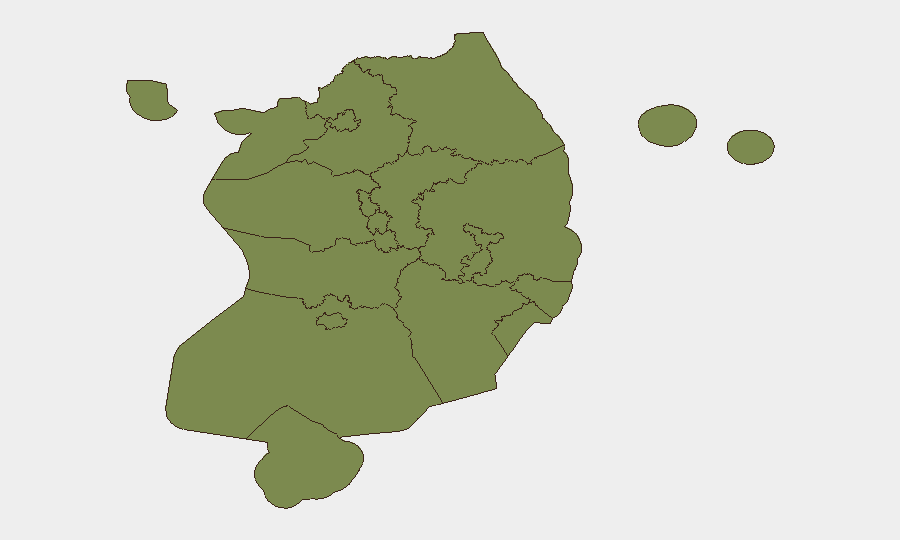
Seoul dominates South Korea's risk profile, with a composite score of 31.3—more than ten times higher than any other region—driven by the concentration of government institutions, diplomatic assets, and cyber-infrastructure vulnerability. The KNDA breach and attendant credential-exposure create a persistent attack surface for foreign intelligence and cybercriminal actors targeting diplomatic and financial networks. Secondary risk clusters in Busan (event-security requirements) and Gwangju (law-enforcement corruption) remain elevated but more localized; the semiconductor-labor tensions are distributed across Gyeonggi and peripheral industrial zones rather than concentrated geographically, but collectively signal operational risk to critical supply-chain assets.
How GeoBit Would Assist
Intel Sweep and multi-language OSINT fusion would enable continuous monitoring of diplomatic-cyber-incident evolution, labor-dispute escalation, and law-enforcement developments across Seoul, Gyeonggi, and Gwangju. AOI Monitoring & Early Warning on government and industrial facilities in Seoul and the chip cluster would provide real-time alerting if protests, access restrictions, or security events threaten personnel or asset movement. Network & Actor Analysis applied to the KNDA breach and follow-on targeting would help identify credential-compromise patterns and secondary-attack vectors affecting government and corporate networks.
7-Day Outlook
The diplomatic cyber-incident will remain a driver of credential-exposure risk and heightened security measures within government and overseas missions through early August. Labor tensions in semiconductors carry moderate risk of work stoppages or escalated protests at major facilities, particularly if bonus or contract negotiations stall. Seoul and Gyeonggi will require sustained operational vigilance; Busan's event-related measures are expected to normalize by late July.
Highest-Risk Areas — Ranked
| # | State / Region | Risk |
|---|---|---|
| 1 | Seoul | 31.3 |
| 2 | Busan | 2.8 |
| 3 | Gwangju | 2.7 |
| 4 | Gangwon State | 1.7 |
| 5 | Incheon | 1.5 |
| 6 | South Jeolla | 1.5 |
| 7 | Gyeonggi | 1.4 |
| 8 | North Chungcheong | 1.3 |
| 9 | South Chungcheong | 1.3 |
| 10 | Jeju | 1.3 |
| 11 | Sejong | 1.3 |
| 12 | Jeonbuk State | 1.3 |
Sources
Previous Daily Briefs
A new South Korea brief is written every day — each with its own risk map and downloadable CSV. Here's the last week; use the calendar to go further back.
📅 Browse every day by calendar →
Highlighted days have a brief. Tap a day for that day's map & analysis, or “csv” for that day's dataset ($5).
Atlas — our AI intelligence desk — emails them this snapshot personally. Nothing else, no list.