Situation Summary
Russia faces sustained, large-scale Ukrainian drone and missile strikes targeting energy, port, and communications infrastructure across multiple regions, with particular intensity on July 30–31, 2026. Air-defense systems are actively engaged, though damage assessments confirm significant hits on critical infrastructure serving both civilian and military logistics. The conflict remains the primary driver of Russia's #11 global threat ranking (score 93), with 879 tracked events. Moscow and southern border oblasts (Kursk, Rostov, Krasnodar) remain the highest-risk zones for foreign personnel and assets due to active combat proximity, drone activity, and infrastructure disruption.
Key Developments
- Tuapse oil refinery, Krasnodar Krai (July 30): Ukrainian drone attack ignited a major fire; local officials reported the blaze brought under control but continued to affect air quality and required multi-day firefighting. Krasnodar Krai ranks #6 in sub-national risk.
- Primorsk export terminal supply line, Leningrad Oblast (July 30): Fire broke out at a Transneft oil pumping station feeding Russia's largest crude export terminal following Ukrainian drone assault; operations disrupted and emergency response mobilized.
- Moscow-area oil refinery and airports (July 30): Ukrainian drone strike caused disruptions to commercial aviation; second major strike on Moscow-region energy infrastructure in one week.
- Russian natural gas processing plant and satellite communications centers (July 30): Ukraine conducted long-range strikes on a major gas facility and two communications nodes, damaging energy and comms infrastructure deep inside Russian territory.
- Rostov-on-Don port, Rostov Oblast (July 30 night): Ukrainian forces struck this critical military logistics hub; social media footage indicated explosions and facility damage.
- Multi-region air-defense engagement (July 30–31 overnight): Russia's Defense Ministry reported shooting down 258 Ukrainian drones over Russian territory, the Black Sea, and Crimea, indicating sustained large-scale cross-border UAV operations.
- Widespread infrastructure targeting (July 30–31): Russian state and military Telegram channels and RT acknowledged mass Ukrainian UAV raids against civilian and energy infrastructure across multiple regions including Belgorod, Yaroslavl, and Leningrad Oblast.
Highest-Risk Areas
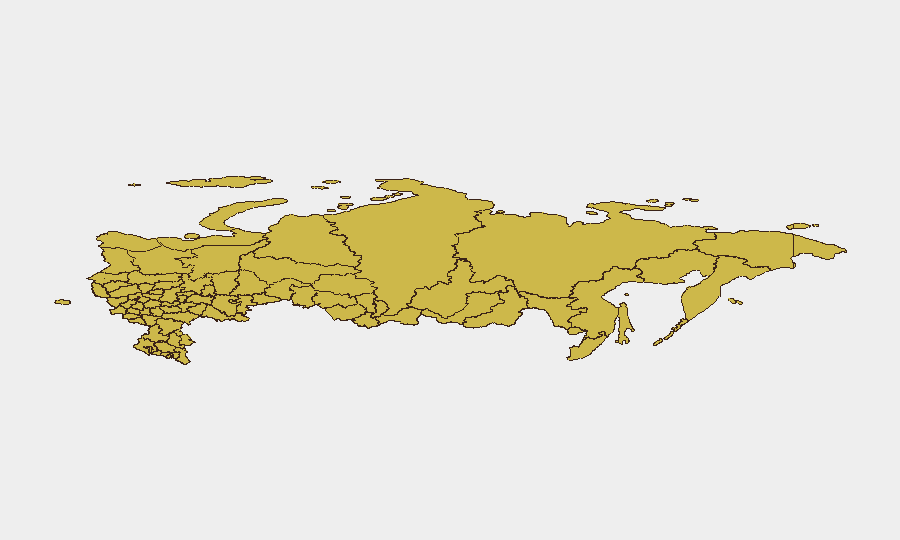
Moscow (95.1) dominates the risk ranking due to active drone operations, air-defense engagement, and population density; energy and aviation infrastructure disruption creates cascading risks for business continuity. Southern border oblasts—Kursk (68.5), Rostov (67.9), Krasnodar (67.0)—face elevated risk from active combat proximity, port/logistics targeting, and energy infrastructure vulnerability. Dagestan (68.9) reflects ongoing domestic instability alongside regional cross-border pressures. Concentration of critical energy, port, and communications infrastructure in these zones amplifies both physical and economic risk to foreign corporate operations.
How GeoBit Would Assist
AOI Monitoring & Early Warning with persistent, real-time alerts on Moscow, southern border oblasts, and energy/port facilities would provide duty-of-care teams immediate notification of drone strikes, air-defense engagement, or infrastructure damage affecting personnel safety and supply chains. Conflict & Military capabilities (battle mapping, force structure, weapons-capability tracking) and GIS & Spatial Analysis enable security teams to map no-go zones, assess commute safety, and track infrastructure disruption propagation. Economic & Trade analysis and Satellite & Imagery analysis track refinery and port operational status, informing evacuation timing and asset repositioning decisions.
7-Day Outlook
Large-scale Ukrainian drone operations targeting Russian energy and logistics infrastructure are likely to continue through the week, with particular focus on southern ports and export terminals. Air-defense intensity will remain high, and secondary effects (power outages, fuel supply disruption, flight delays) may cascade into civilian and commercial sectors. Moscow and Rostov Oblast warrant heightened monitoring for both direct strike risk and infrastructure-driven operational disruption.
Highest-Risk Areas — Ranked
| # | State / Region | Risk |
|---|---|---|
| 1 | Moscow | 95.1 |
| 2 | Dagestan | 68.9 |
| 3 | Kursk Oblast | 68.5 |
| 4 | Rostov Oblast | 67.9 |
| 5 | Republic of Kalmykia | 67.4 |
| 6 | Krasnodar Krai | 67 |
| 7 | Orenburg Oblast | 66.6 |
| 8 | Ryazan Oblast | 66.6 |
| 9 | Tatarstan | 66.5 |
| 10 | Republic of Mordovia | 66.3 |
| 11 | Krasnoyarsk Krai | 66.1 |
| 12 | Primorsky Krai | 66 |
Sources
Previous Daily Briefs
A new Russia brief is written every day — each with its own risk map and downloadable CSV. Here's the last week; use the calendar to go further back.
📅 Browse every day by calendar →
Highlighted days have a brief. Tap a day for that day's map & analysis, or “csv” for that day's dataset ($5).
Atlas — our AI intelligence desk — emails them this snapshot personally. Nothing else, no list.