Situation Summary
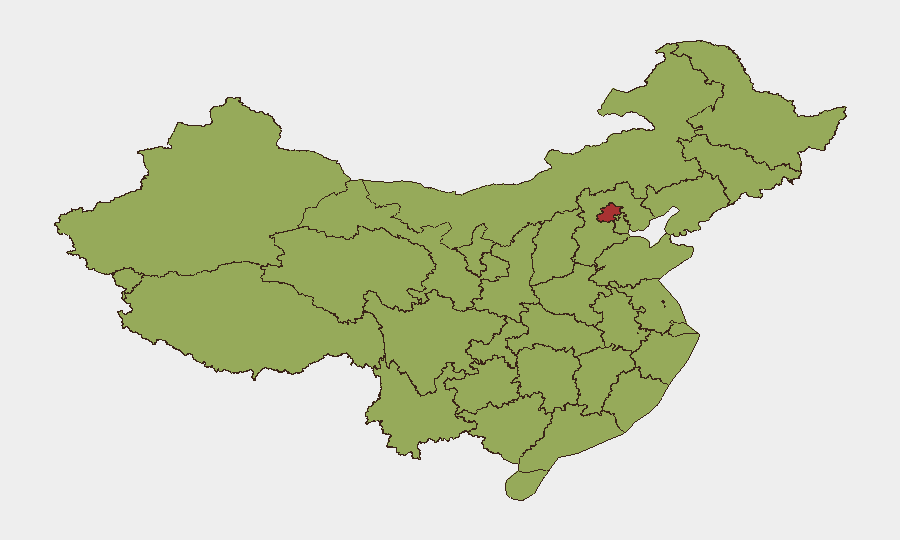
China's domestic security environment remains stable with no major acute incidents, civil disorder, or infrastructure failures reported in the past 24–48 hours. However, underlying structural tensions—including US–China diplomatic friction, administrative enforcement actions in Shenzhen, and escalating military posturing in the South China Sea—continue to shape the threat landscape. Recent natural disasters (earthquake in Sichuan, typhoon impacts in the south, industrial accidents in Fujian and Liaoning) have strained local emergency response capacity but pose localized rather than systemic risk. The country's composite threat score of 67 places it #22 globally, with Beijing carrying the highest regional risk (77) due to administrative and political concentration.
Key Developments
- South China Sea, Monday late July 2026: PLA Navy test-fired a strategic missile from a nuclear-powered submarine into the Pacific, detected by regional early-warning systems and prompting concern from Japan, Australia, and New Zealand. Heightens military-tension perception and potential maritime/airspace risk near southern Chinese waters.
- Qingdao, Shandong Province, Thursday late July 2026: Chinese and Russian naval vessels began live-force, live-fire maritime drills in designated areas. Short-term civilian maritime exclusion zones and shipping disruption likely in the drill area.
- Sichuan Province, Monday late July 2026: Ministry of Emergency Management activated a Level-IV national emergency response for geological disasters following a 5.5-magnitude earthquake. Infrastructure and transport risk elevated due to potential landslides, road damage, and aftershocks.
- Northeast and Central China, past 24–48 hours late July 2026: Severe weather and Typhoon Maysak impacts triggered elevated flood-control responses in Guangxi and neighboring provinces, with swollen rivers and reservoirs. Localized disruption to transport, power, and logistics across the affected corridor.
- Administrative enforcement, July 31, 2026: Chinese administrative sanctions and Shenzhen-specific enforcement actions documented in official sources. Suggests tightening regulatory scrutiny in southern economic centers.
- US–China diplomatic signal, July 31, 2026: US disapproval statement issued; mirrors ongoing structural tension in bilateral relations. May influence foreign-business operating environment and political risk perception.
Highest-Risk Areas
Beijing (#1, risk 77) dominates the sub-national ranking due to concentration of administrative authority, political decision-making, and enforcement actions; the July 31 sanctions signal and parliamentary investigations underscore heightened scrutiny at the capital level. Guangdong Province (#2, risk 57.6) reflects Shenzhen's regulatory tightening and broader southern economic-security focus. Sichuan (#4 not shown but contextually relevant) now faces added seismic and geological risk following the July 31 earthquake and Level-IV emergency activation. Together, these regions account for significant operational footprint for multinational firms and warrant elevated monitoring of regulatory, natural-hazard, and infrastructure continuity risks.
How GeoBit Would Assist
Intel Sweep and multi-language OSINT fusion enable continuous tracking of administrative enforcement, military signaling, and natural-disaster response across China's provinces in real time. AOI Monitoring & Early Warning can establish persistent watch on high-risk regions (Beijing, Guangdong, Sichuan) with automated alerting for regulatory, military, or emergency-response developments. Routing & Network Analysis supports alternative-route planning for supply chains and personnel movement around affected areas (Sichuan earthquake zone, typhoon corridors, maritime-drill exclusion zones).
7-Day Outlook
Military exercises near Qingdao and South China Sea activity are likely to continue as scheduled through early August; no escalation to kinetic conflict is indicated, but maritime operational tempo will remain elevated. Sichuan earthquake aftershock risk and typhoon-related flooding in central and southern provinces are expected to persist, with search-and-rescue and logistics disruption probable through mid-August. Domestic administrative enforcement in Shenzhen and broader regulatory scrutiny are unlikely to intensify acutely in the near term absent new political or diplomatic friction.
Highest-Risk Areas — Ranked
| # | State / Region | Risk |
|---|---|---|
| 1 | Beijing | 77 |
| 2 | Guangdong Province | 57.6 |
| 3 | Hubei | 53.8 |
| 4 | Shanghai | 52.5 |
| 5 | Jiangxi | 51.7 |
| 6 | Gansu | 48.6 |
| 7 | Jiangsu | 48.6 |
| 8 | Tibet | 48.3 |
| 9 | Fujian | 48.3 |
| 10 | Hebei | 48 |
| 11 | Jilin | 47.7 |
| 12 | Hunan | 47.7 |
Sources
Previous Daily Briefs
A new China brief is written every day — each with its own risk map and downloadable CSV. Here's the last week; use the calendar to go further back.
📅 Browse every day by calendar →
Highlighted days have a brief. Tap a day for that day's map & analysis, or “csv” for that day's dataset ($5).
Atlas — our AI intelligence desk — emails them this snapshot personally. Nothing else, no list.