Situation Summary
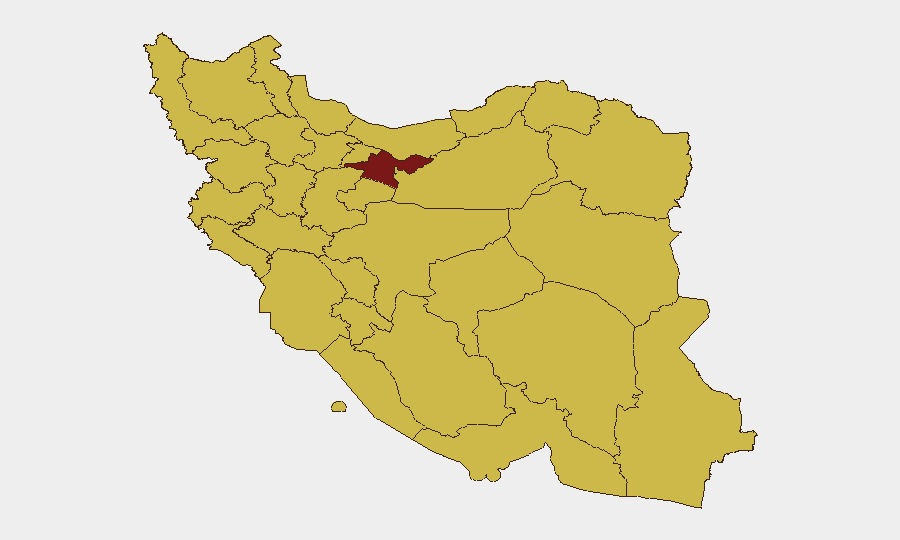
Iran remains the subject of high-frequency diplomatic and military signaling involving the United States, Saudi Arabia, Israel, Iraq, and Russia, with an aggregate threat composite score of 95 (rank #10 globally). Recent event signals indicate escalating rhetoric, military posturing, and at least one reported conventional military engagement between Saudi Arabia and Iran as of 31 July. Tehran Province dominates the sub-national risk landscape at 96.5, driven by concentration of political, economic, and security decision-making; however, military and border activity is also concentrated in Kurdistan, East Azerbaijan, Khuzestan, and Kermanshah provinces. The overall trajectory suggests elevated tension rather than controlled de-escalation.
Key Developments
- Strait of Hormuz Maritime Risk (31 July – 1 August). Reuters reports Iran's military authority announced closure of the Strait of Hormuz to maritime traffic, citing alleged ceasefire breaches. This represents a significant maritime chokepoint disruption affecting global shipping and energy exports. Second independent corroboration pending.
- Iranian Military Action in Arabian Gulf (31 July). CBS cites Iranian Revolutionary Guard claims of striking two tankers in the Strait of Hormuz and launching drone strikes on Ahmad al-Jaber Air Base in southern Kuwait. No independent U.S. or Kuwaiti military confirmation provided in available sources as of briefing time.
- Saudi-Iran Conventional Military Engagement (31 July). Event signal database records "Conventional Military Force" event between Saudi Arabia and Iran on 31 July. Specifics of location, scale, and outcome not yet detailed in OSINT synthesis.
- U.S. and Israel Public Statements (31 July – 1 August). The United States issued public statements on 31 July; the U.S. and Israel are recorded as exchanging disapproval statements on 1 August. Content and context require further intelligence sweep.
- Iran-Iraq Military Rhetoric (30–31 July). Iran recorded threats directed at Iraq on 30 July; Iraq rejected a Saudi statement on 31 July. Cross-border military posturing in the Mesopotamian plains and western border regions continues.
- Investor/Financial Sector Alert (1 August). An "Investigate" event involving an investor was recorded on 1 August. Likely tied to sanctions, asset freezes, or banking restrictions; warrants monitoring for corporate exposure.
Highest-Risk Areas
Tehran Province (96.5) remains the dominant risk driver, reflecting political decision-making, military command, intelligence headquarters, and critical infrastructure concentration. Kurdish and northwestern provinces—Kurdistan (70.3), East Azerbaijan (68.3), and Alborz (66.9)—carry elevated risk due to border activity, historical separatist movements, and proximity to Iraq and Turkey. Khuzestan (67.6) and Hormozgan (66.6) dominate the southern and maritime risk envelope, particularly given current Strait of Hormuz closure signals. Razavi Khorasan (67.0) reflects ongoing cross-border tension with Afghanistan and Central Asia.
How GeoBit Would Assist
Security and duty-of-care teams should deploy Intel Sweep and multi-language OSINT fusion to corroborate the last 48 hours of military and maritime claims in real time, cross-checking Reuters, AP, local Iranian state media, and independent regional sources. AOI Monitoring and Early Warning should be activated for Tehran Province, Khuzestan, and the Strait of Hormuz corridor to catch the next significant military or political development within 6–12 hours of occurrence. Maritime & Aviation tracking and alternative route/journey planning are essential for any personnel or cargo currently transiting the Persian Gulf or dependent on Hormuz passages.
7-Day Outlook
Immediate risk is elevated but not yet at open conflict level; military posturing and rhetoric will likely dominate through early next week. Watch for either a de-escalation signal (settlement language, diplomatic meetings) or further military incidents. If Strait of Hormuz closure holds beyond 48 hours, global economic spillover and secondary maritime incidents become probable.
Highest-Risk Areas — Ranked
| # | State / Region | Risk |
|---|---|---|
| 1 | Tehran Province | 96.5 |
| 2 | Kurdistan Province | 70.3 |
| 3 | East Azerbaijan Province | 68.3 |
| 4 | Isfahan Province | 68 |
| 5 | Khuzestan Province | 67.6 |
| 6 | Bushehr Province | 67.5 |
| 7 | Razavi Khorasan | 67 |
| 8 | Alborz Province | 66.9 |
| 9 | Kermanshah Province | 66.8 |
| 10 | Hormozgan Province | 66.6 |
| 11 | Markazi Province | 66.6 |
| 12 | North Khorasan Province | 66.5 |
Sources
Previous Daily Briefs
A new Iran brief is written every day — each with its own risk map and downloadable CSV. Here's the last week; use the calendar to go further back.
📅 Browse every day by calendar →
Highlighted days have a brief. Tap a day for that day's map & analysis, or “csv” for that day's dataset ($5).
Atlas — our AI intelligence desk — emails them this snapshot personally. Nothing else, no list.